- by families worldwide
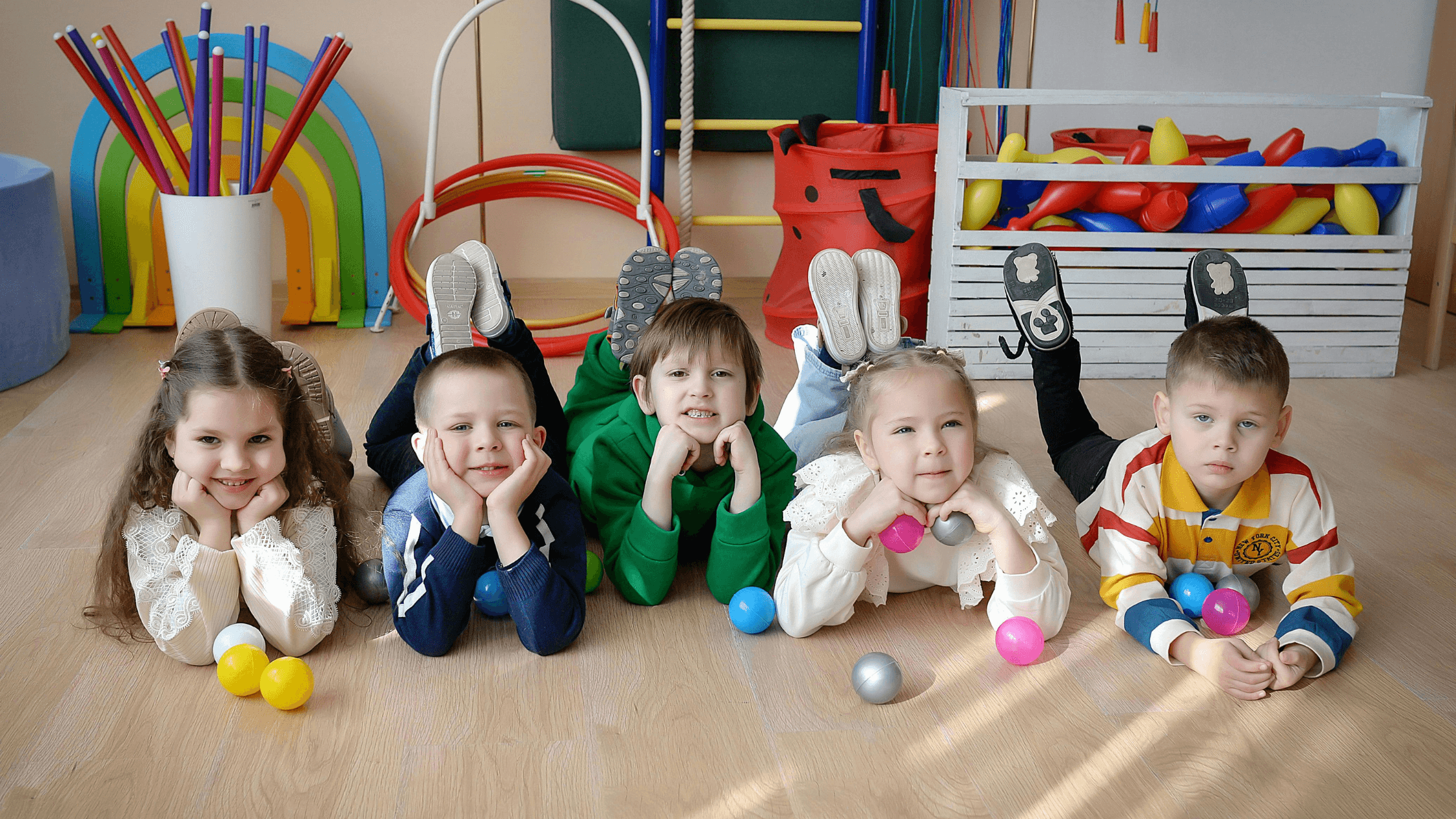
Ask any teacher what actually works with young learners, and they’ll tell you the same thing: get them playing. Not because it’s easier, but because play is genuinely how children at this age make sense of the world, and language is no exception.
The EYFS framework recognises this.
Communication and language are two of the three prime areas of learning for a reason. But knowing that play matters and having the right tools to deliver it consistently are two different things. That’s where early years classroom technology is starting to make a real difference — when it’s done well.
Parlini Land for Schools was built around this exact principle: that the most effective language learning at ages 3–6 happens through structured play, not instruction. Here’s why that matters, and what it looks like in practice.
The evidence behind play-based learning language development is well established. Young children acquire language most effectively through repeated, meaningful exposure — hearing words in context, seeing them connected to real images or actions, and having low-stakes opportunities to respond.
When a child is engaged in a game, their attention is sustained naturally. They’re motivated to keep going. They encounter the same vocabulary again and again in slightly different contexts — which is exactly how language retention builds. And crucially, they’re not anxious about getting it wrong, which means they’re far more likely to have a go.
For language learning through play in early years, specifically, the combination of audio, visual, and interactive elements is key. A child who hears a word, sees a picture, and has to make an active choice in response to it is processing that word in multiple ways at once. That’s the kind of deep encoding that sticks.
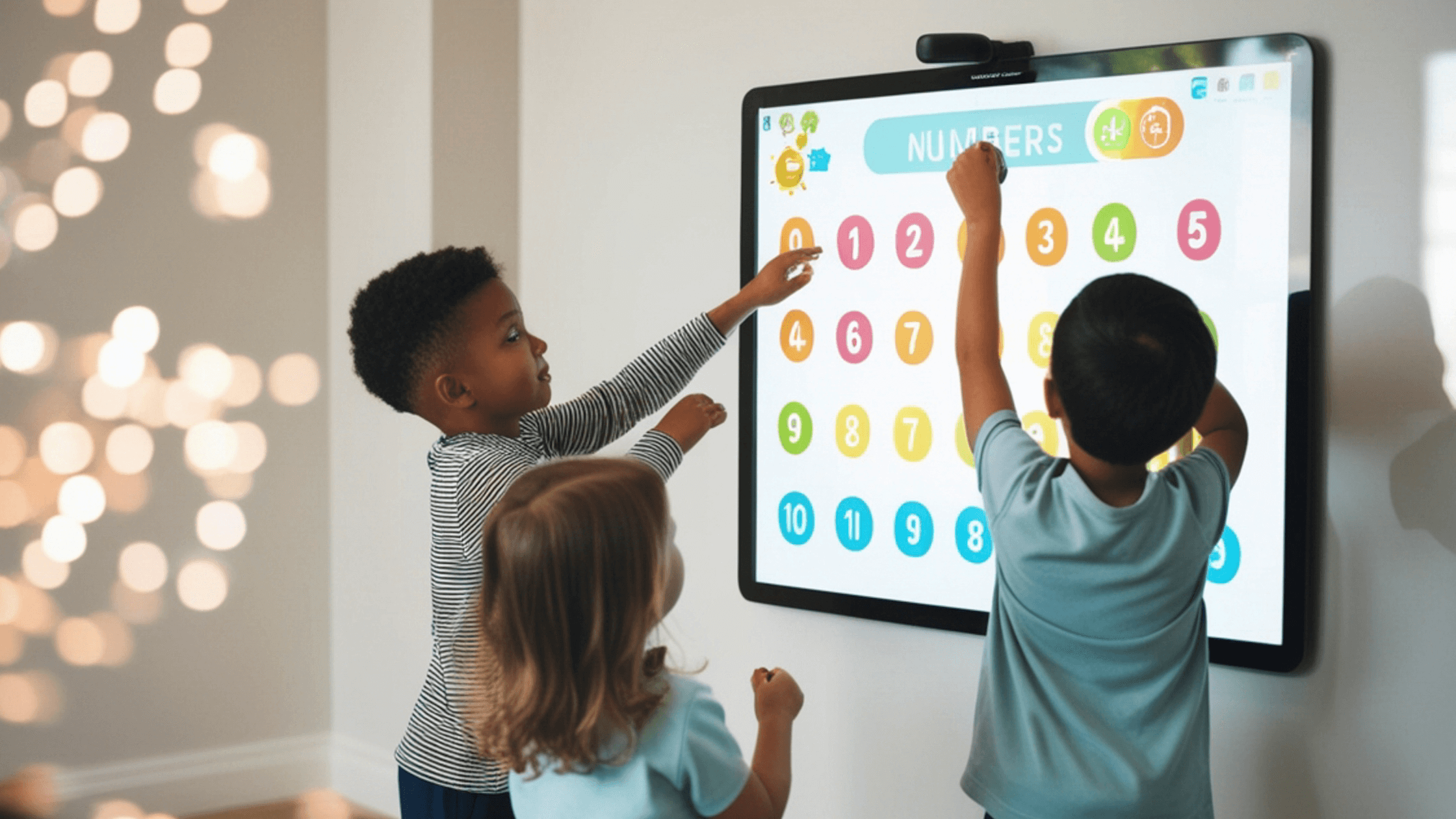
Good early years classroom technology doesn’t ask teachers to change how they work — it slots into existing routines and enhances them.
Parlini Land for Schools offers a library of EYFS language games that map naturally onto activities teachers are already running: vocabulary building, listening and responding, categorising, sequencing, and early phonics. Games like This or That (listen and tap the correct animal), Can You Count (count items on screen in response to an audio prompt), Flashcards (scene-based vocabulary in jungle, ocean, and farm themes), and Sorting Boxes (match elements to colour-coded categories) all follow the same principle — simple, visual, audio-led, and immediately accessible.
The games use real human voiceovers in 11 languages, so every prompt children hear sounds natural. There’s no robotic phrasing or flat AI audio — just clear, warm language modelling that mirrors what good early years practice looks like.
For whole-class use, the projector mode means you can run a group activity without needing a device for every child. For small group rotations or independent tasks, tablets work just as well. The same app, the same games, across every setup you’re likely to use in an EYFS or KS1 classroom.
Parlini Land for Schools is already used across EYFS and KS1, and the game library reflects that range. Alongside the core vocabulary and listening games, the newer Letters Games suite adds curriculum-aligned activities for early literacy.
These sit comfortably within KS1 phonics and literacy expectations and give teachers a reliable, engaging way to practise concepts children are already encountering in their broader English curriculum. As a KS1 language app, Parlini Land for Schools covers both language acquisition and early literacy — without being two separate tools.
The age range is also expanding. Content for 6–8 and 8–10 year olds is in development, meaning schools investing now will have a tool that continues to serve their pupils as they move through key stages.
Parlini Land for Schools is used by primary schools to deliver language learning through play across EYFS and KS1 — on tablets, desktops, and projectors, with a teacher dashboard built in.
Why is play-based learning effective for language development in early years?
Young children acquire language most effectively through repeated, meaningful exposure in low-stakes contexts. Play provides exactly that — children encounter vocabulary in context, hear it multiple times across different activities, and respond to it actively without the pressure of formal assessment. This kind of engagement supports deeper language retention compared to instruction-led approaches.
What EYFS language games work well in the classroom?
Games that combine audio, visual cues, and simple interactive responses work best for EYFS learners. Activities like vocabulary matching, listening and tapping, sorting, and counting games are naturally aligned with early years learning and don’t require children to read or follow complex instructions. Parlini Land for Schools offers a library of these formats, available in 11 languages.
Is Parlini Land for Schools suitable for KS1 as well as EYFS?
Yes. The game library covers vocabulary, listening, early phonics, letter recognition, and digraphs — making it relevant across both EYFS and KS1. The app works on tablets, desktops, and projectors, which suits the range of setups found across reception and Key Stage 1 classrooms.