- by families worldwide
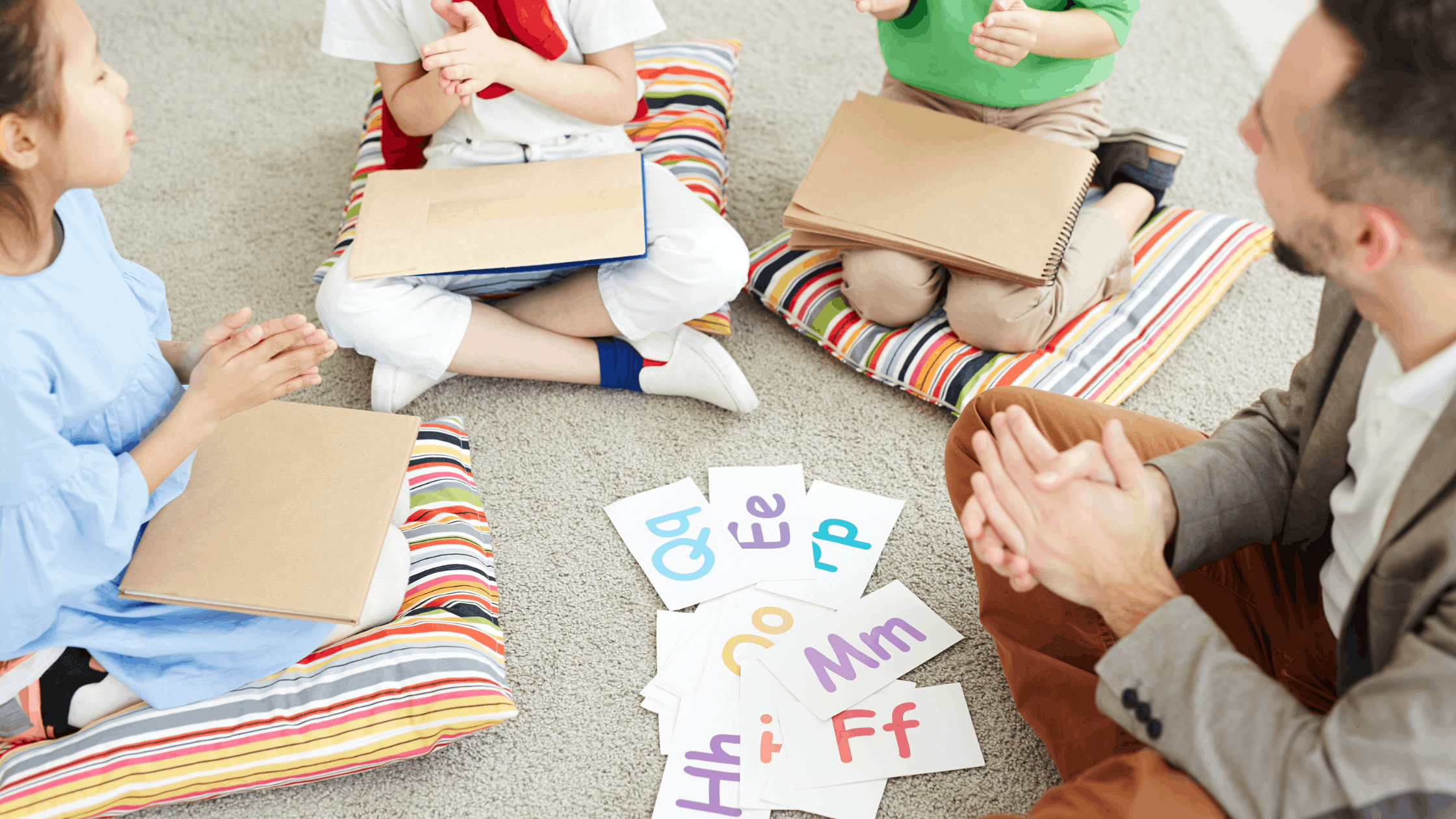
If your child is around five and starting to engage more seriously with letters, you have probably already noticed something: the moment it feels like a lesson, the interest drops. The good news is that letter recognition is one of those skills that responds beautifully to play. The right game does not just keep children entertained — it does the learning work at the same time, without your child ever noticing.
There is a reason early years educators have moved away from worksheets and towards play-based learning — and it is not just about making things more fun. It is about how five-year-old brains actually work.
At this age, children are not yet wired for abstract instruction. They do not sit with information, reflect on it, and store it for later the way older learners do. They absorb knowledge by doing — by handling, attempting, repeating, and gradually building familiarity through experience. A worksheet asks a child to perform a skill they may not yet have. A well-designed game gives them the conditions to develop it.
Letter recognition is particularly well-suited to this approach. It is not conceptually complex — your child does not need to understand anything to recognise letters. They just need to have seen them enough times, in enough different contexts, for the shapes to become familiar. Games create that repetition without the boredom that comes from drills. Every round is slightly different. Every session adds to the total.
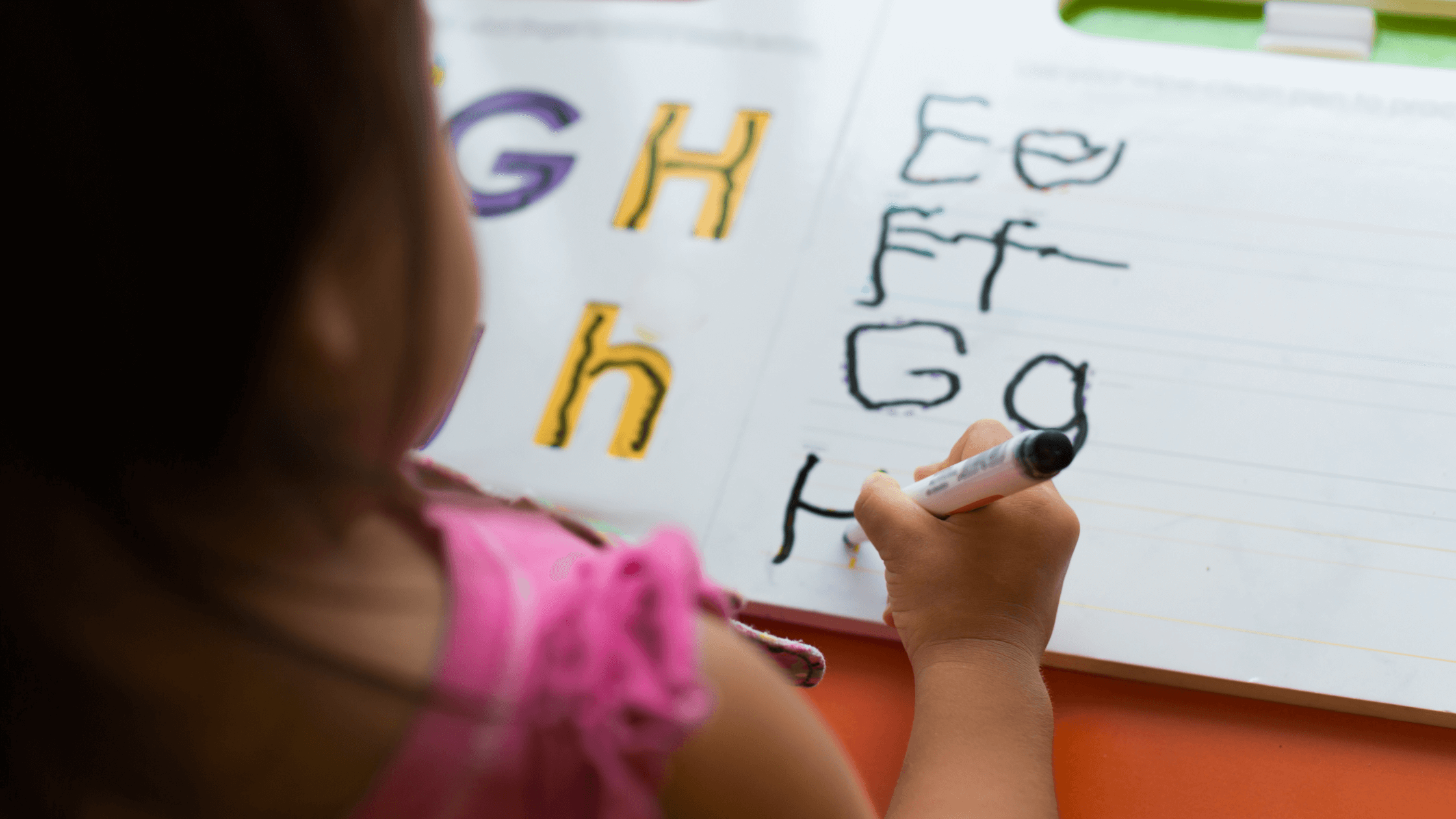
Not every game that involves letters is a letter recognition game. There is a difference between a game that uses letters as decoration and one that builds genuine recognition skills. Here is what to look for:
The Uppercase or Lowercase game in Parlini Land was built around exactly these principles — and it shows in how children actually use it.
The mechanic is simple: a letter appears on screen and a real human voice asks whether it is uppercase or lowercase. Your child taps their answer. If they get it wrong, they try again — no penalty, no negative feedback, just another opportunity. The game is short enough to hold a five-year-old’s attention and varied enough across sessions to stay interesting over time.
What sets it apart from many letter games is the audio component. Every round includes a spoken prompt from a real human voice — not a synthetic one. This means children are not just learning to recognise letter shapes. They are simultaneously hearing letter names spoken naturally, building the auditory-visual connection that underlies reading. For many children, it is this combination — seeing and hearing together — that makes letters finally click.
For families raising children in more than one language, the game is available in English, Greek, Spanish, Irish, Italian, French, German, Polish, and Swedish. That means letter recognition practice happens in the home language, with voices that sound natural and familiar — not translated or artificial. A child learning to read in Greek practises in Greek. A child working on Irish literacy practices in Irish. The game adapts to the child, not the other way around.
What are the best letter recognition games for 5-year-olds?
The best letter recognition games for five-year-olds combine a listening element with visual identification and allow children to make mistakes without penalty. Look for games where children are actively deciding about letters — not just seeing them — and where the experience is engaging enough to sustain interest across multiple sessions.
How long does it take for a child to recognise all letters?
It varies considerably between children, but most children aged 5–6 who have regular, low-pressure exposure to letters will develop reliable recognition across weeks to months rather than days. Consistency matters more than duration — short daily contact with letters builds recognition far more effectively than occasional intensive sessions.
Should letter recognition games include both uppercase and lowercase?
Yes, and ideally both together. Children who only practise uppercase recognition often struggle when they encounter lowercase letters in books and other reading materials, because many letters look completely different in their two forms. Games that include both cases — and help children connect them — build more complete and transferable literacy skills.