
- by families worldwide

The word grammar tends to make adults anxious, let alone children. And yet children learn grammar every single day, long before they know the word exists. They do it through listening, through copying, through playing with language in ways that feel nothing like a lesson. The challenge for parents is not how to teach grammar. It is how to keep creating the conditions where that natural learning keeps happening.
By the time most children start school, they are already using grammar correctly in their spoken language, without having been taught a single rule. They know that adjectives come before nouns in English, that verbs change depending on who is doing the action, and that some words belong at the beginning of a sentence and others at the end. They know all of this because they have heard it thousands of times.
This is the most important thing to understand about early grammar development: it is absorbed, not instructed. Children do not learn that “the big dog” is correct by being told the rule. They learn it by hearing the phrase so many times that anything else sounds wrong. Their brains are doing sophisticated linguistic pattern recognition, and they are doing it entirely through exposure.
The role of parents in this process is not to sit down and explain how sentences work. It is to keep the linguistic environment rich, to read aloud, to talk about what they are doing, and to use varied and interesting language in daily conversation. And as children move into the early school years and begin engaging more deliberately with language, they need tools that deepen their exposure in ways that still feel like play.
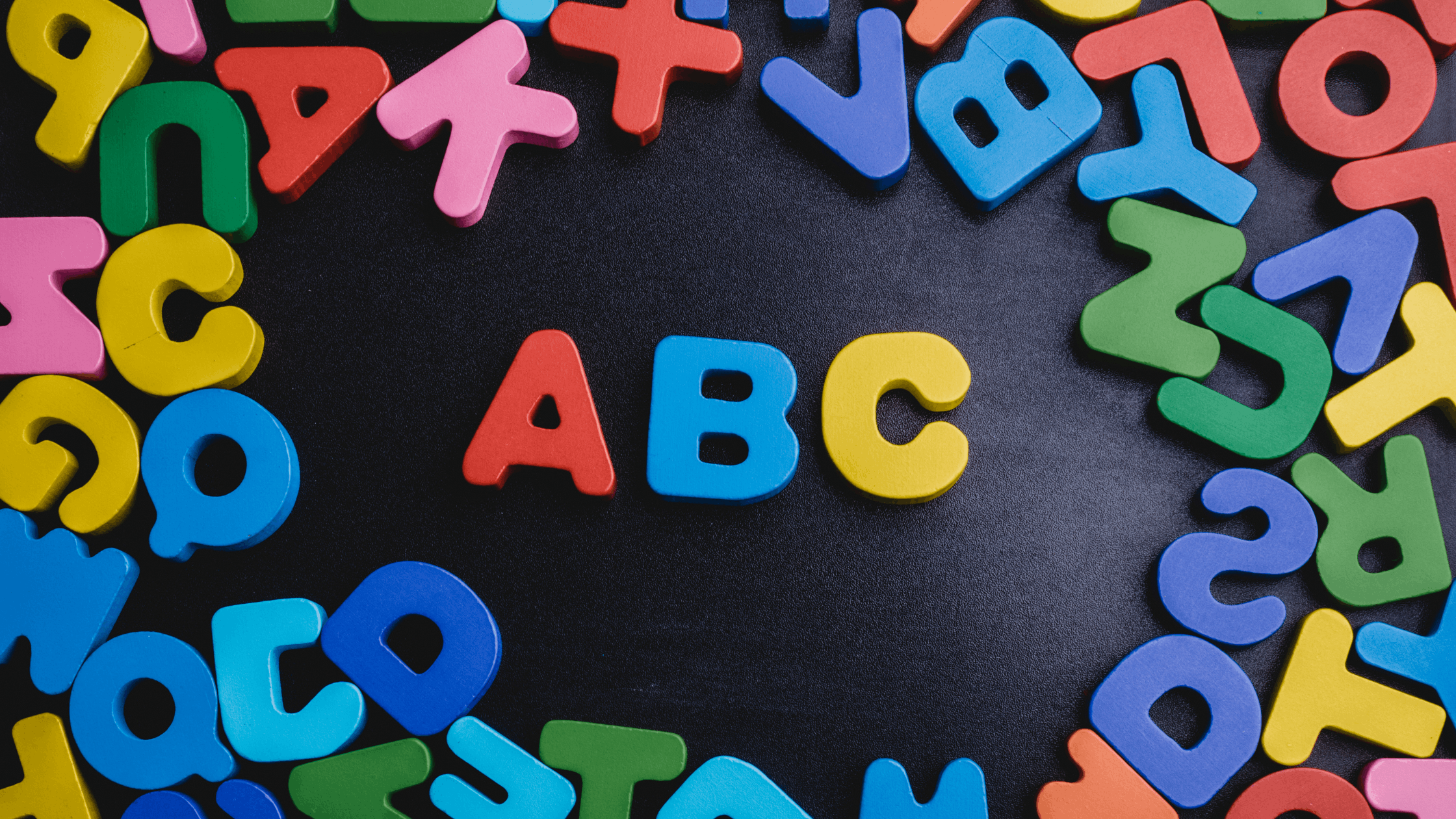
Around age five, something shifts. Children begin to engage with language more consciously. They start to notice words as objects. This is the beginning of metalinguistic awareness, and it opens a window for more deliberate language learning that did not exist before.
This is the age at which gentle, structured exposure to grammatical concepts can start to be genuinely useful, not as formal instruction, but as a layer added on top of the natural language immersion that is still the foundation.
Parlini Land offers a suite of grammar-based games designed specifically for children aged 5 and above, and the design philosophy behind them is exactly this: grammar through immersion, not instruction.
Our games include Find the Noun, Find the Adjective, Find the Verb, Tap on the Vowel, Hear and Tap the Letter, and the Uppercase or Lowercase game. Each one works through a simple, consistent mechanic: a spoken prompt from a real human voice, a decision to make on screen, and a no-penalty response to mistakes. Children are not being tested on definitions. They are being asked to recognise, to spot the noun on screen, to identify the adjective, to find the verb, and every attempt, right or wrong, builds the pattern recognition that grammar understanding is built on.
The games are calm and low-stimulation by design. There are no flashing rewards, no countdown timers, no pressure. A child who taps the wrong word simply tries again. The experience is close to what good early grammar exposure at home looks like.
For parents who want their children to be comfortable with language, not just fluent in it, but at ease with how it works, these games offer something genuinely useful.
At what age should children start learning grammar?
Children begin absorbing grammar from birth through listening and exposure, long before formal instruction is appropriate. Conscious engagement with grammatical concepts — like identifying nouns, verbs, and adjectives — suits children aged 5 and above, when metalinguistic awareness begins to develop. At this stage, play-based exposure works far better than explicit teaching.
What grammar games are available on Parlini Land?
Parlini Land’s grammar games for ages 5+ include Find the Noun, Find the Adjective, Find the Verb, Tap on the Vowel, Hear and Tap the Letter, and the Uppercase or Lowercase game. All games use real human voice prompts and a no-penalty approach to mistakes, making them suitable for children who are just beginning to engage with language concepts.
Is it possible to teach grammar through play?
Yes — and for children aged 5 and under, it is the most effective approach available. Children at this stage learn through pattern recognition, repetition, and exposure, not through rule explanation. Games that ask children to identify grammatical elements — without naming the rules behind them — build the intuitive understanding that formal grammar study can develop later.