- by families worldwide

If your child switches between two languages mid-sentence — starting in Spanish and finishing in English, or throwing in a word from one language while speaking another — your first instinct might be to correct them. Do not. What you are watching is not confusion. It is one of the clearest signs that your child’s bilingual brain is doing exactly what it is supposed to do.
Code switching is the practice of moving between two or more languages within a single conversation, sentence, or even a single phrase. It is a natural feature of bilingual and multilingual communication — not just in children, but in adults too.
You will hear it in bilingual households everywhere. A child says “I want agua” instead of “I want water.” A parent tells their child “Vámonos, we are going to be late.” A grandparent slips between Greek and English in the same story. This is not broken language. It is flexible language — the hallmark of a brain that has access to more than one linguistic system and is drawing on both.
In young children specifically, code switching tends to appear as language develops and the two systems begin to interact. Far from being a problem, it is a developmental milestone — evidence that both languages are present, active, and available to the child at the same time.
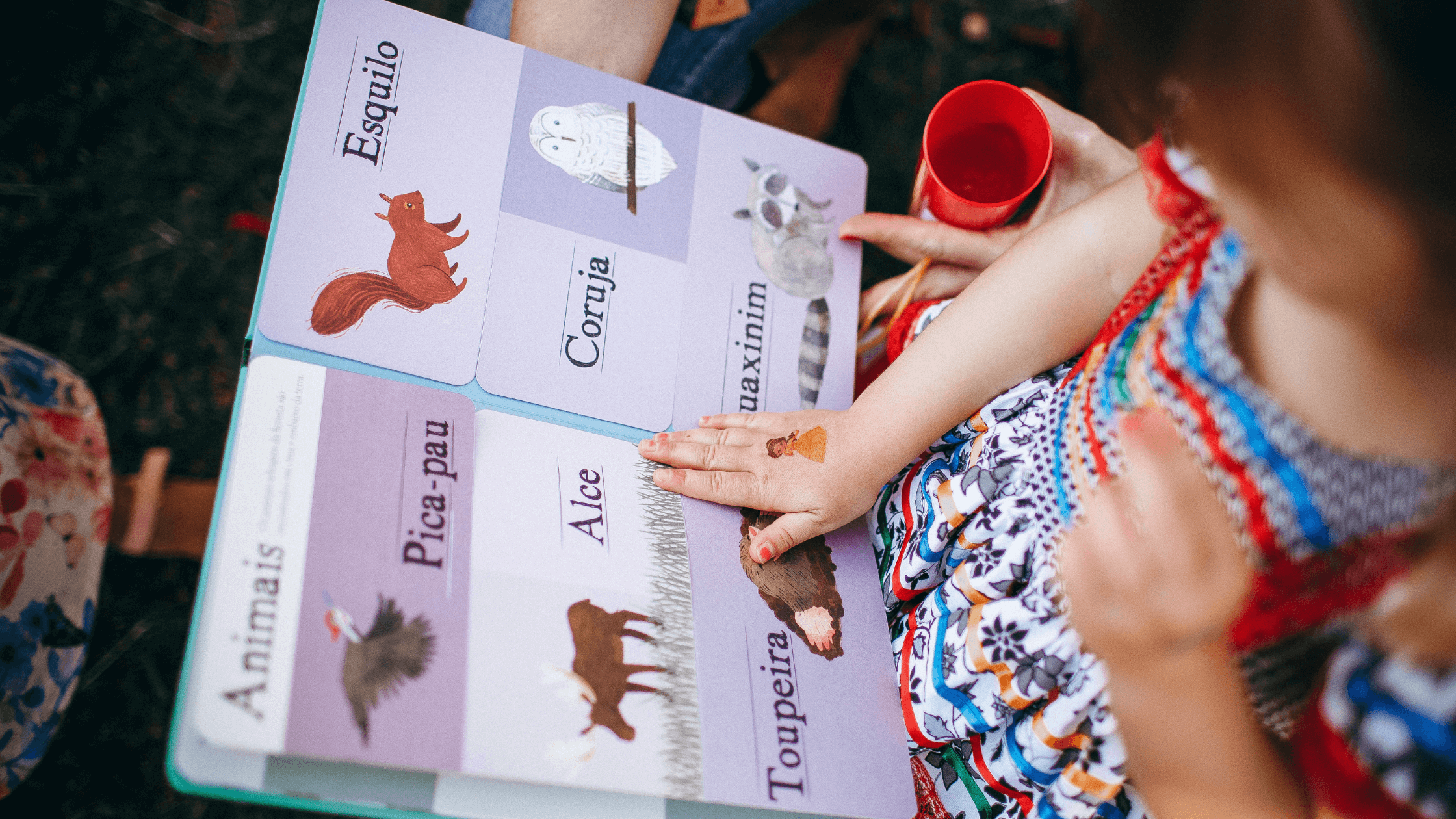
Children code-switch for several completely logical reasons, and understanding them removes most of the anxiety parents feel when they see it happen.
The most common reason is a vocabulary gap. A child who knows the word for something in one language but not yet in the other will use the word they have. This is not a failure — it is resourcefulness. The child has a communicative need, and they are meeting it with the best tools currently available. As vocabulary in both languages grows, the need to fill gaps across languages naturally reduces.
A second reason is social context. Bilingual children develop a sophisticated sense, very early, of which language belongs where. They learn to use one language with grandparents and another with school friends. Code switching often appears in moments of transition — when the child is in a mixed-language context, or when the emotional register of one language fits the moment better than the other.
A third reason is simply fluency in action. Highly proficient bilinguals code-switch more, not less — because they have more linguistic resources to draw on. Research consistently shows that code switching is associated with high bilingual competence, not low. The more languages a person truly knows, the more they move between them.
For the vast majority of bilingual children, code switching is simply part of the journey and requires no intervention whatsoever. But parents reasonably want to know what normal looks like — and what would warrant a closer look.
Code switching is entirely expected and healthy when:
It is worth paying closer attention if:
In most cases, the answer is not concern — it is more exposure to the weaker language, more consistently, in contexts the child enjoys.
For the vast majority of bilingual children, code switching is simply part of the journey and requires no intervention whatsoever. But parents reasonably want to know what normal looks like — and what would warrant a closer look.
Code switching is entirely expected and healthy when:
It is worth paying closer attention if:
In most cases, the answer is not concern — it is more exposure to the weaker language, more consistently, in contexts the child enjoys.
One of the most practical things parents can do to support a child who is code-switching is to increase the daily exposure their weaker language gets — and screen time is one of the most consistent and controllable places to do that.
Parlini Land is built for exactly this. It supports eleven languages — English, Spanish, Greek, Irish, Hindi, Arabic, German, Italian, French, Swedish, and Polish — and when you select a language, the entire app operates in it. Every game, every instruction, every voiceover is in that language, delivered by real human speakers. There is no English fallback, no drift into the dominant language when the activity gets more complex.
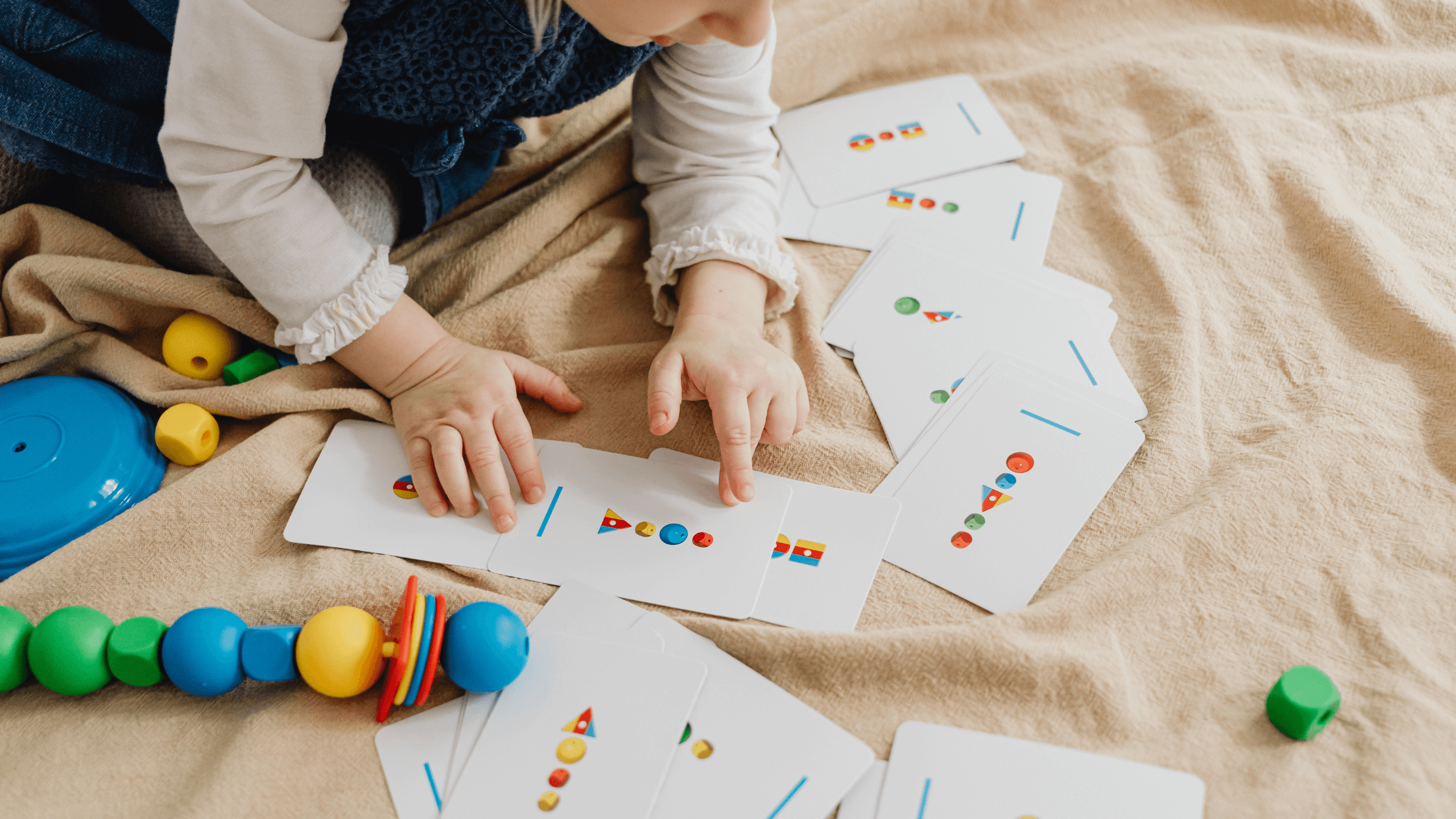
For a child who is code-switching because their second language vocabulary has gaps — which is the most common reason — this kind of daily immersive exposure in play fills those gaps gradually and naturally. The counting games, the colouring activities, the matching cards, the spelling games — all of them build vocabulary in the chosen language through repetition across varied contexts. The child is not being drilled. They are playing. But the language exposure is real, and it accumulates.
For families raising children across multiple languages, the multilingual design of Parlini Land means that one app can support whichever language needs the most reinforcement at any given stage — switching between them as the child’s needs change, without switching between tools. That flexibility reflects exactly how bilingual development actually works: not as a linear progression in two parallel tracks, but as a dynamic, shifting, living relationship between two languages that are both always present.
What is code switching in bilingual children?
Code switching is when a bilingual child moves between two languages within a single conversation or sentence — using words, phrases, or whole sections from one language while speaking another. It is a natural and well-documented feature of bilingual communication that reflects the brain’s access to more than one language system, not confusion between them.
Is code switching a sign that my child is confused about their languages?
No. Research consistently shows that bilingual children who code-switch understand the difference between their languages and apply them appropriately depending on context. Code switching is a sign of linguistic flexibility and competence, not confusion. Even two-year-olds demonstrate awareness of which language belongs with which person.
Will code switching slow down my child’s language development?
No. The idea that bilingualism or code switching delays language development is a persistent myth that the research does not support. Bilingual children reach language milestones on the same timeline as monolingual children when both languages are considered together. Code switching is part of that developmental process, not an obstacle to it.