- by families worldwide
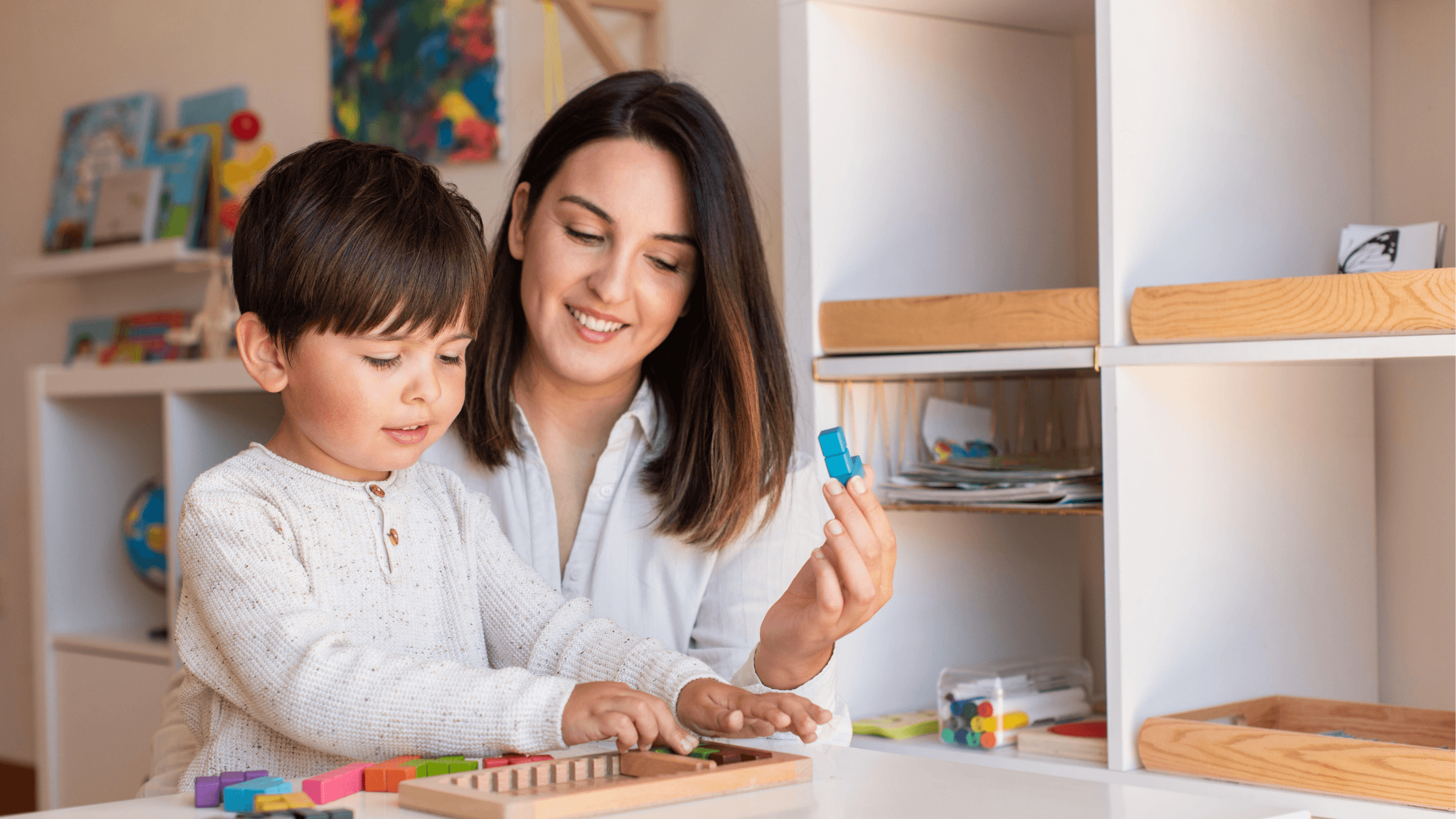
You can teach your child German at home without a classroom, a tutor, or a language degree. What you need is a consistent routine, the right resources, and a willingness to make German a normal part of everyday life — not a separate lesson.
For families where German is the heritage language — a grandparent’s tongue, a partner’s mother language, or a language you grew up speaking yourself — the challenge at home is not motivation. You know why it matters. The challenge is English.
English dominates. It is the language of school, of friendships, of most children’s media. Without active effort, German becomes the language of special occasions and not much else. By the time a child is seven or eight, the window for truly natural language acquisition begins to narrow.
The good news is that you do not need to replicate a German school in your living room. Small, consistent habits — a German bath-time routine, German at mealtimes, a German audio game on the way to school — can make an enormous difference over time.
Teaching a language at home works best when it does not feel like teaching. Here is what makes home-based German learning stick:
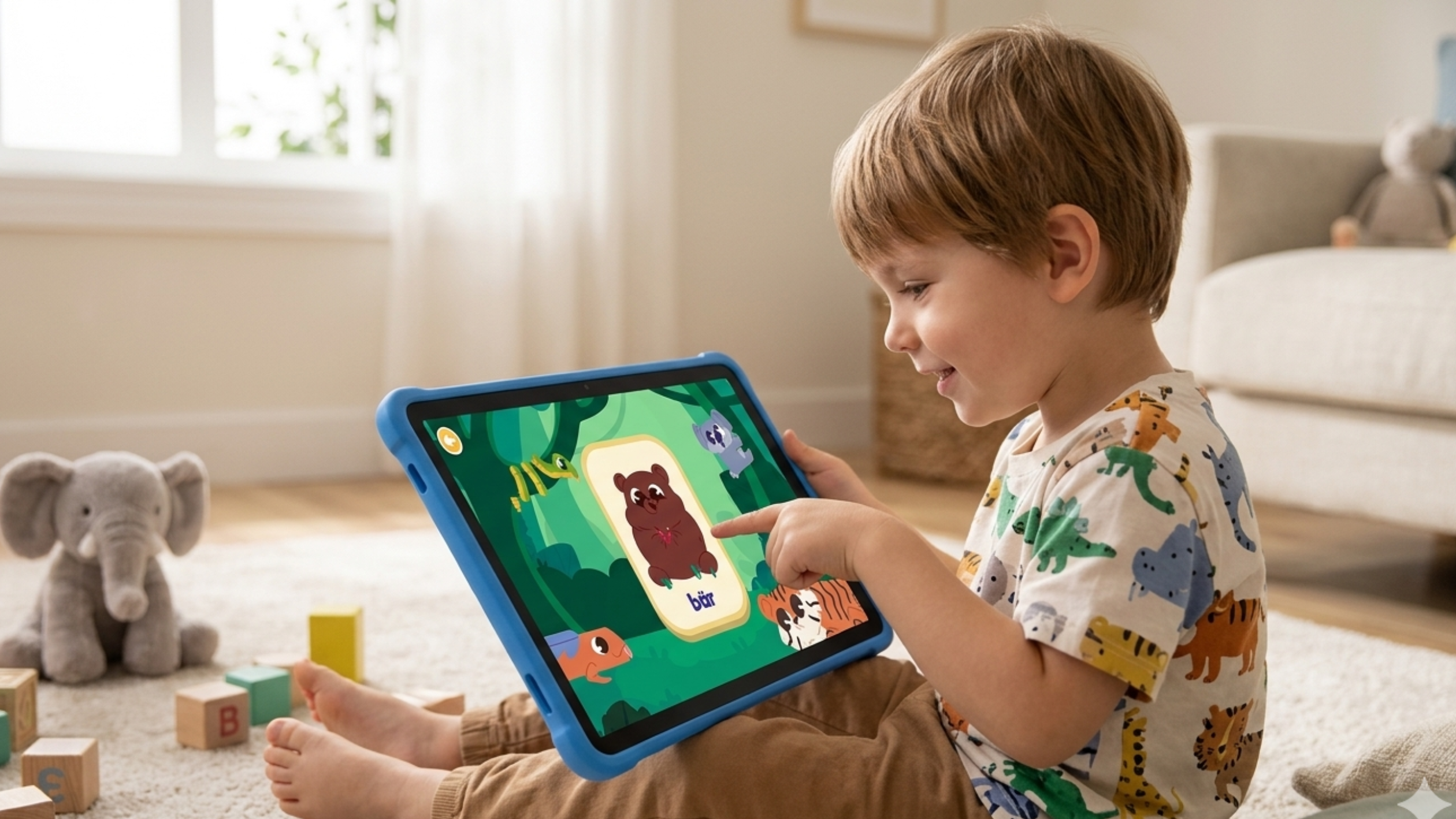
For parents who want their child’s screen time to be working in German — not just in English — Parlini Land gives children a structured set of games where every word, every prompt, every voice they hear is in German.
That is the key difference. This is not a general learning app that includes German as one of many options. Every element of every game is delivered in German.
All voiceovers are real human voices — not AI — which means children are hearing natural pronunciation, every time they play.
It is calm, uncluttered, and teacher approved. For ages three to six, it is one of the most practical ways to build German into a daily home routine without it feeling like a lesson.
Explore the full range of German learning games for kids and find what works for your child.
Even ten to fifteen minutes a day is meaningful at this age. The most important thing is consistency — daily exposure beats occasional long sessions. If you can build German into two or three moments that already happen naturally (breakfast, bath time, bedtime), you are already ahead.
This is extremely common and does not mean your efforts are failing. Many bilingual children go through a phase of refusing the minority language, especially when English is dominant socially. Keep offering German consistently and patiently. Comprehension often develops well ahead of production — your child may understand far more than they let on.
Yes, with some caveats. Consistent use of simple, accurate vocabulary — numbers, colours, animals, greetings — is far more valuable than occasional complex sentences. For areas where you are less confident, audio resources (apps with real human voiceovers, German-language nursery rhymes) can fill the gap on pronunciation.
Absolutely. Apps that deliver all content in German, like Parlini Land, give your child additional listening input, especially on days when you cannot maintain a German-only routine. Think of it as extra exposure, not a replacement for speaking the language yourself.
As early as possible. Children have a natural capacity for language that peaks in the early years. Even simple German words at age one or two lay down a foundation. By age three, most children are ready for more structured play-based input, which is where apps and games become really useful.
If you are ready to build a German routine at home, Parlini Land can be a simple, daily part of that. So, we encourage you to download Parlini Land and give it a try.