
- by families worldwide
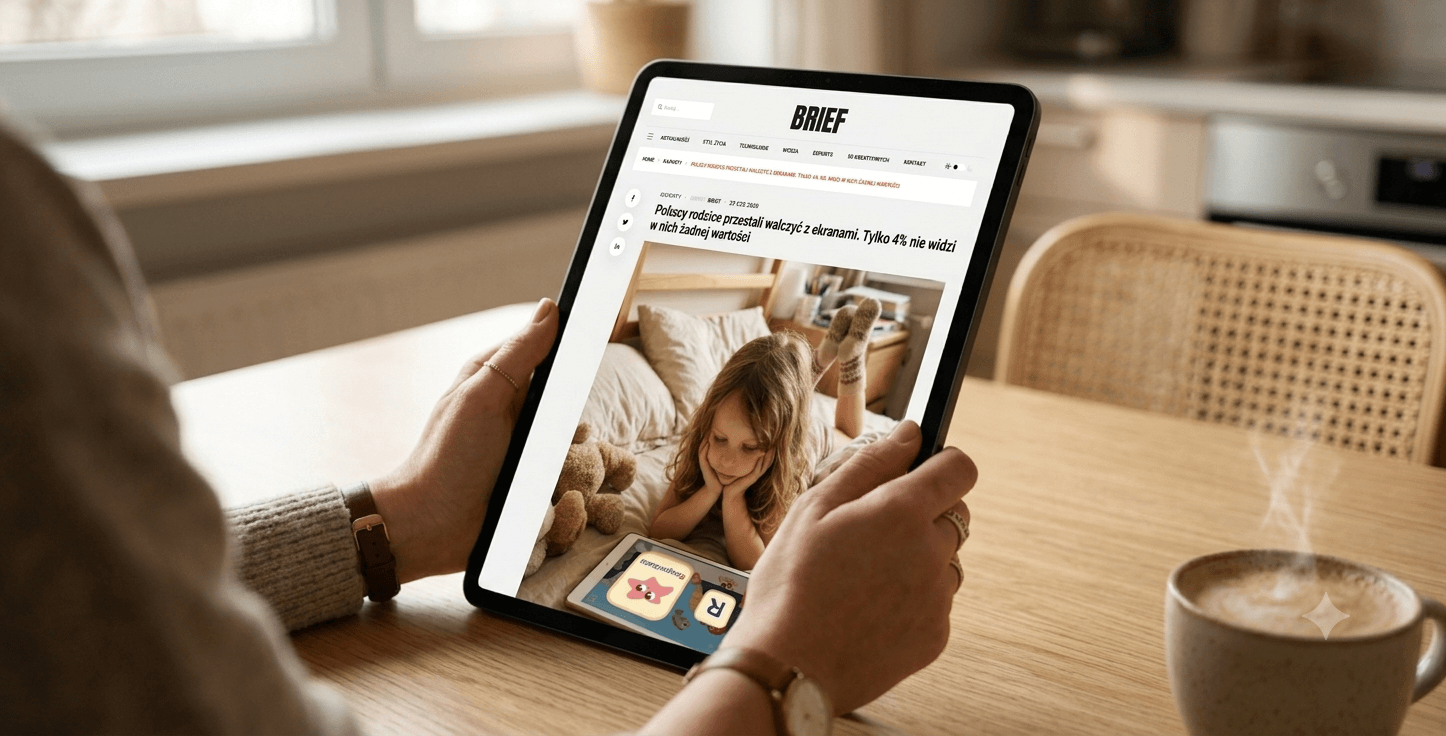
Parlini Land commissioned a national study on Polish parents’ attitudes toward screen time. The headline finding — that only 4% of parents see no value in screens at all — has now been covered by more than 20 Polish media outlets, including major national sites like wp.pl, eska.pl, edziecko.pl, dziecko.co.pl, brief.pl, and strefaedukacji.pl. The study confirms what Parlini Land has built its product around: most parents aren’t looking to eliminate screens; they’re looking for screen time that’s actually worth something.
For years, the parenting conversation around screens has been framed as a fight — parents versus devices, guilt versus discipline. Our study asked Polish parents directly what they actually think, and the results tell a different story.
The core finding: 96% of Polish parents see at least some value in screen time. Only a small minority — 4% — believe screens offer nothing worthwhile for their children. The debate parents are having isn’t “screens or no screens.” It’s “which screen time, and why.”
That distinction matters, because it’s the exact gap Parlini Land was built to fill: calm, intentional, language-immersive play — not another source of noise or guilt.
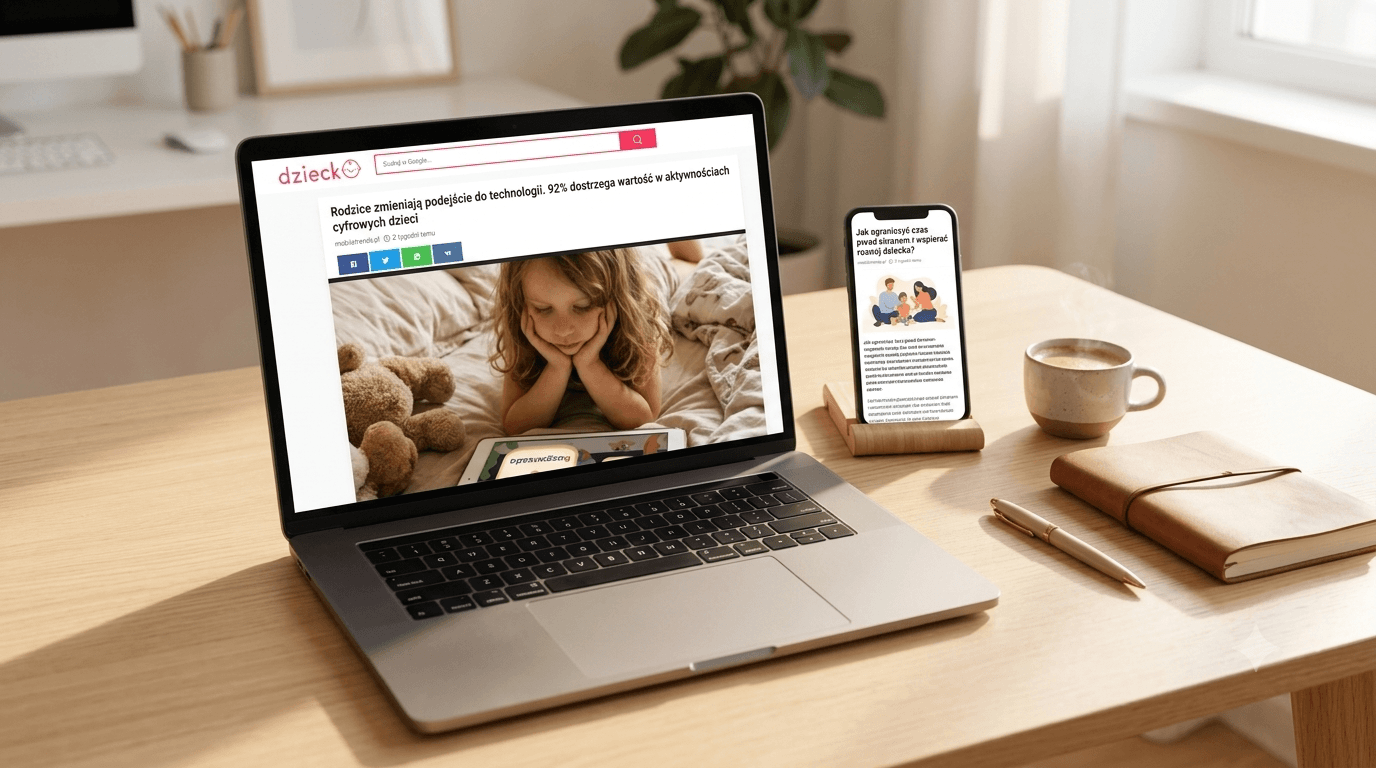
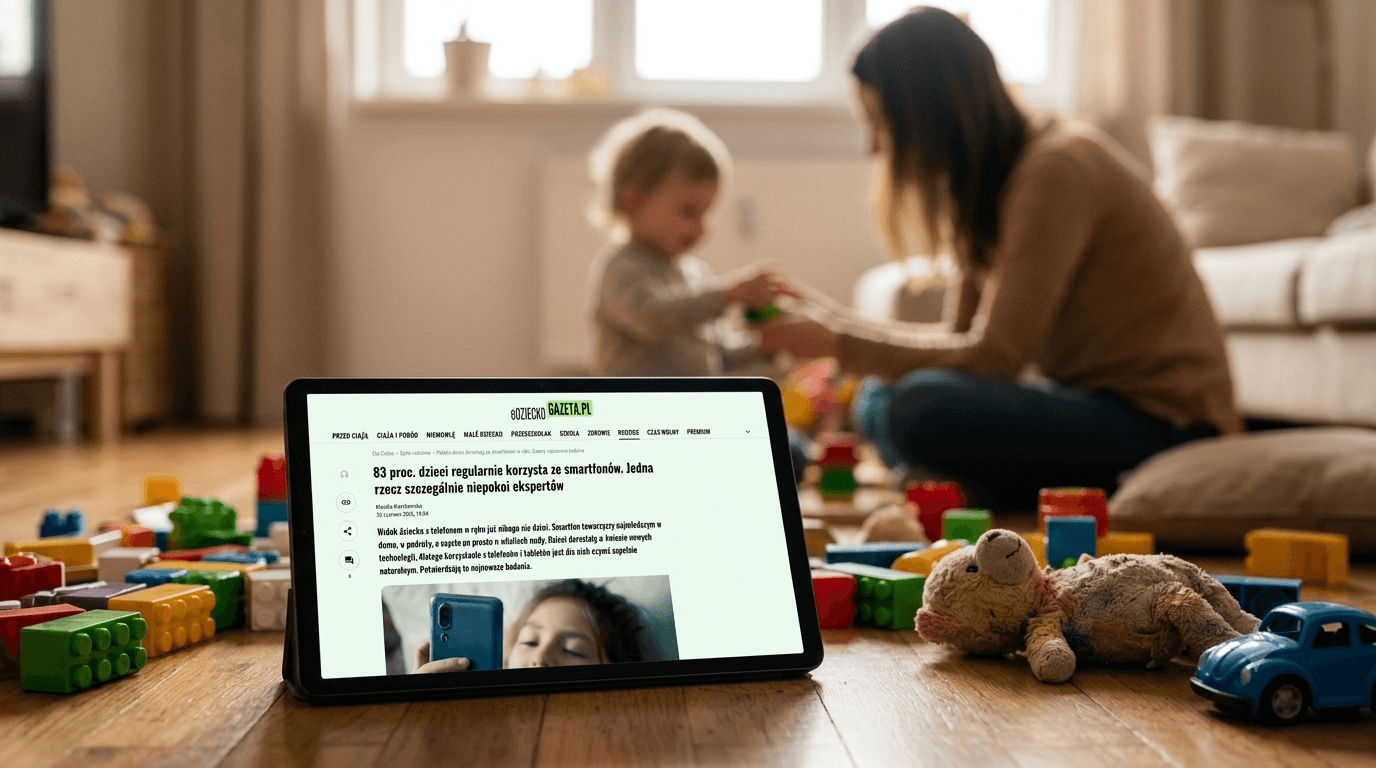
Since the study’s release, coverage has rolled out across two waves of Polish media, spanning general news, parenting, women’s lifestyle, business, and tech publications. Placements include:
Top-tier national coverage
Parenting and family media
Tech and general news
Across these placements, the throughline has been consistent: Polish parents have largely stopped treating screens as the enemy — the real question the study surfaces is what parents want to replace the fight with.

A study like this is only useful if it changes how parents approach the decision in front of them — not just what they believe in the abstract. A few things it points to:
The “screens are bad” framing is outdated. With 96% of parents already seeing value in screens, the more useful question for a family isn’t whether to allow screen time, but what that time is actually doing for a child.
“Value” is doing a lot of work in that 4% stat. Parents aren’t rating screens as good or bad in general — they’re increasingly discerning between screen time that entertains and screen time that does something more.
This is where intentional design comes in. Calm, low-stimulation, language-immersive play is a direct answer to parents who already believe screens can be valuable, but haven’t found the version of “valuable” that fits their family.
Parlini Land didn’t commission this study to make a claim about itself — it was designed to understand where Polish parents actually stand. But the result lines up closely with how the app was built: no streaks, no pressure mechanics, no AI voices — just real human voiceovers and calm, unhurried play, available in Polish among Parlini Land’s 11 supported languages.
If 96% of parents already believe screen time can be worthwhile, the opportunity isn’t convincing them to reconsider screens. It’s giving them a version of screen time they don’t have to feel uncertain about.
What did the Parlini Land study find about Polish parents and screen time? It found that only 4% of Polish parents see no value at all in screen time for their children — meaning 96% believe screens can offer some benefit, shifting the conversation away from “screens vs. no screens.”
Which Polish media outlets covered the study? Coverage included national outlets such as wp.pl, eska.pl, edziecko.pl, dziecko.co.pl, brief.pl, and strefaedukacji.pl, alongside parenting, lifestyle, and tech publications across two waves of press pickup.
Does this mean unlimited screen time is fine? No — the study speaks to parents’ overall attitude toward the value of screens, not to how much screen time is appropriate. Parlini Land’s own position remains “intentional screen time” — calm, purposeful play rather than open-ended use.
Is Parlini Land available in Polish? Yes. Polish is one of 11 languages supported in Parlini Land, with games and voiceovers recorded by real human speakers rather than AI.