- by families worldwide
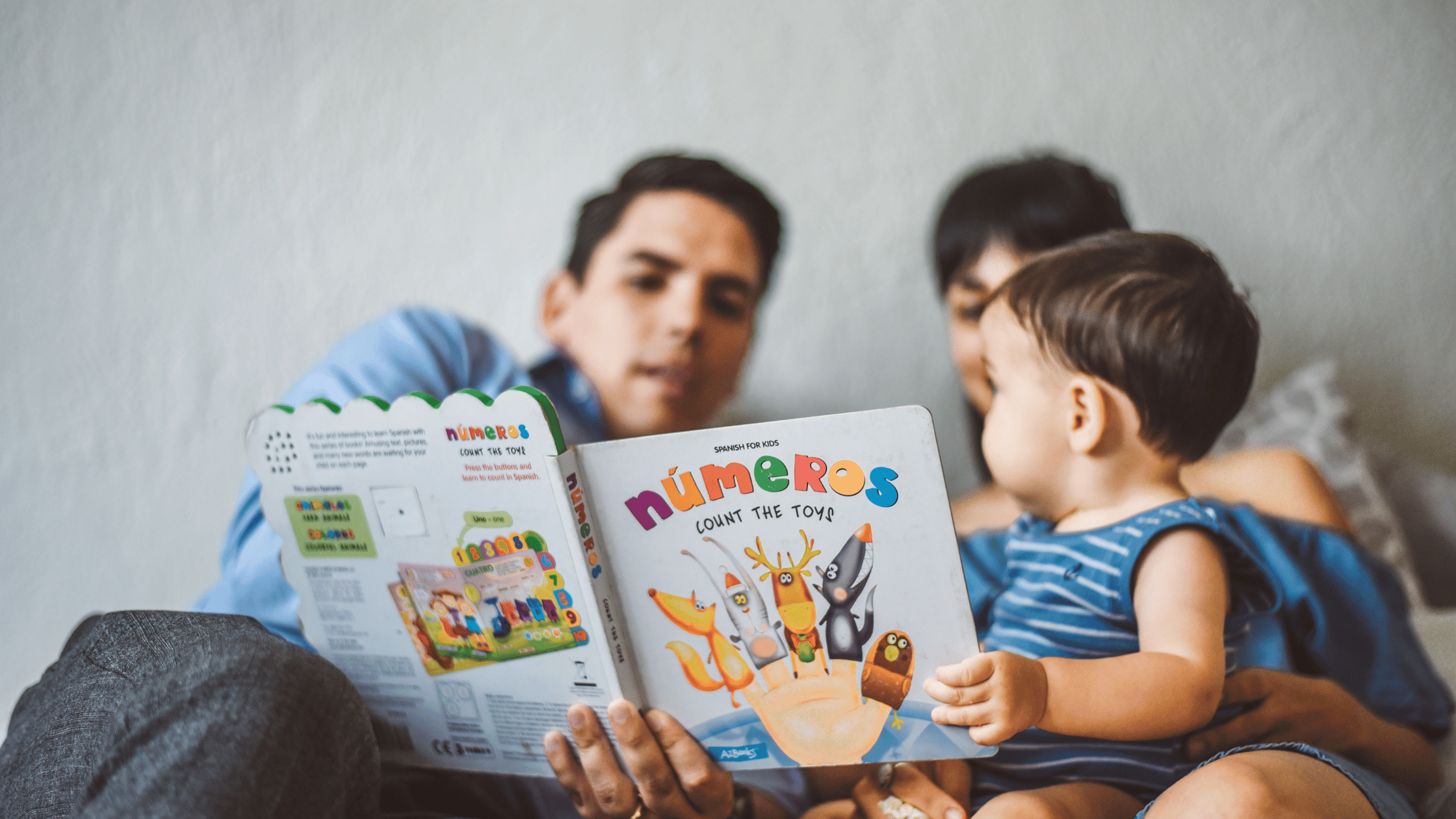
Native speakers matter because children don’t just learn words — they absorb the sound, rhythm and melody of a language from the real voices around them. A native speaker gives your child the accent, intonation and natural phrasing that an AI voice or a stilted recording simply can’t. When a child hears a language spoken the way it is actually spoken, they learn to speak it that way too.
If English rules your house — school, cartoons, playdates, the songs in the car — you already know the quiet worry. Your child understands your heritage language but answers you in English. Or the accent is drifting. Or your parents can’t quite talk to their grandchild the way they’d like to.
If your child is currently mixing their languages, understand that this is a sign of a developing bilingual brain—but consistent, native-speaker input remains the best way to help them gain confidence in their heritage language.
The problem is rarely vocabulary. It’s exposure to real speech. A child raised on Spanish, Greek, Arabic, Polish or Hindi needs to hear how those languages actually sound in a native mouth — the rolled sounds, the stress on the right syllable, the little musicality that makes a language feel like home rather than a school subject.
That’s where a lot of apps fall short. Many now lean on synthetic AI voices to cover dozens of languages cheaply. They’re passable in English and wobbly in everything else. For a heritage-language family, “passable” isn’t the point. The whole reason you’re doing this is so your child sounds like they belong — to you, to your family, to a culture. A robotic voice quietly teaches the wrong thing.
You don’t need to be a linguist to judge this well. A few practical checks go a long way:
If an app passes these five, your child is hearing the language properly — the single most useful thing an app can offer.
Most parents come to us with the same need: they want their child to hear their language, not a machine’s impression of it. That’s the line we won’t cross. Every voice in Parlini Land is a real human recording in the child’s chosen language — Spanish, Greek, Irish, Hindi, Arabic, German, Italian, French, Swedish, Polish or English. No AI voices, in any language.
Because the whole app runs in that language, your child isn’t learning “a few words in Greek.” They’re being spoken to in Greek — every instruction, every command, every well done. The design is deliberately calm and low-stimulating, so the voice leads and nothing shouts over it. It’s teacher approved and built for ages 3–8, the years when a child’s ear for sound is at its most open.
The aim is simple: a child who doesn’t just recognise their language, but sounds natural speaking it.
Native speakers pass on the true accent, stress and intonation that a young child copies. AI voices flatten this and mispronounce irregular words, which matters most in smaller or non-English languages. In the native speaker vs AI voice question, native wins for accent every time.
Many now use AI voices to cover lots of languages cheaply, and it shows most in non-English ones. If you want a language app for kids with real voices, check directly — Parlini Land uses only real human recordings in every language it supports.
Children absorb accent and rhythm from the real voices around them, not just vocabulary. Hearing a native speaker is what lets a child sound natural rather than “school-taught” — which is why native speakers matter so much in early language learning.
For a bilingual children’s language app, look for real native-speaker audio, the whole app in the target language, and a calm pace young children can follow. Parlini Land is built this way for ages 3–8, in eleven languages.
Often, yes. Regular exposure to native speech gives children the sounds and phrasing to copy, which builds the confidence to speak.
If you want your child to hear their language spoken the way it’s meant to sound — by a real person, not a machine — Parlini Land is worth a try. Start with the Parlini Land free trial.