- by families worldwide
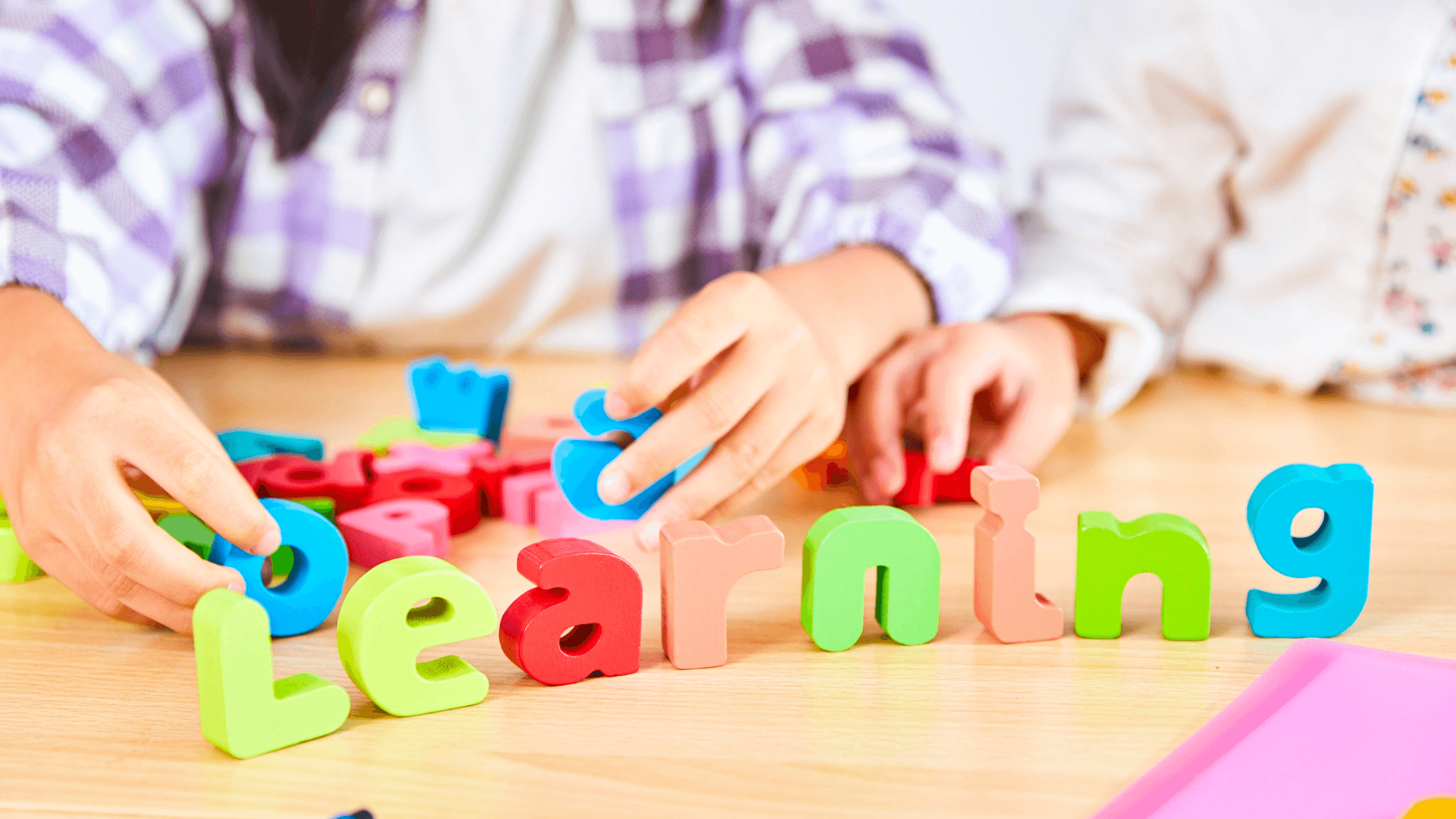
If you’re raising a bilingual child, introducing a third language doesn’t have to feel complicated. Children are naturally open to language learning, and with the right balance, learning a new language can fit smoothly into everyday life. For families raising multilingual kids, the focus should always be on exposure, play, and consistency, not pressure.
Educational tools like Parlini Land make this easier, combining short, playful screen time with real-world learning, so children can explore a third language naturally while building confidence!
When thinking about how to teach a bilingual child a third language, the goal isn’t perfection; it’s familiarity and confidence.
Some helpful tips include:
Introduce the third language gradually
Keep it clearly separated from the other languages they already know
Use repetition through daily routines
Let curiosity lead the way
These small steps support bilingual children who are ready to grow into multilingual learners.
Parents often ask how to introduce a third language to bilingual children without overwhelming them. The answer lies in balance.
At Parlini Land, we believe multilingual learning works best when:
Screen time is short and intentional
Learning feels like play, not a task
Tools support real-world language exposure
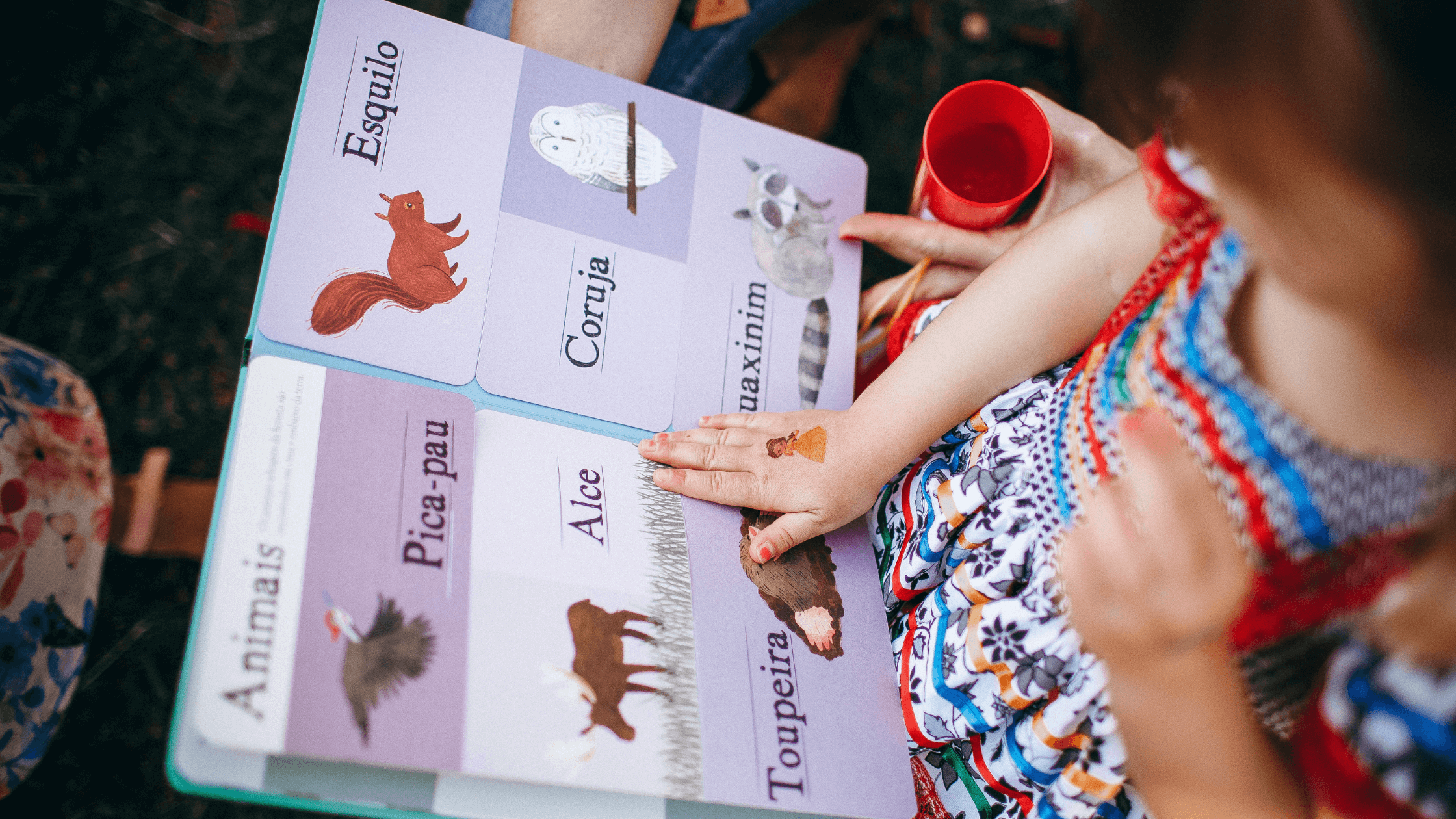
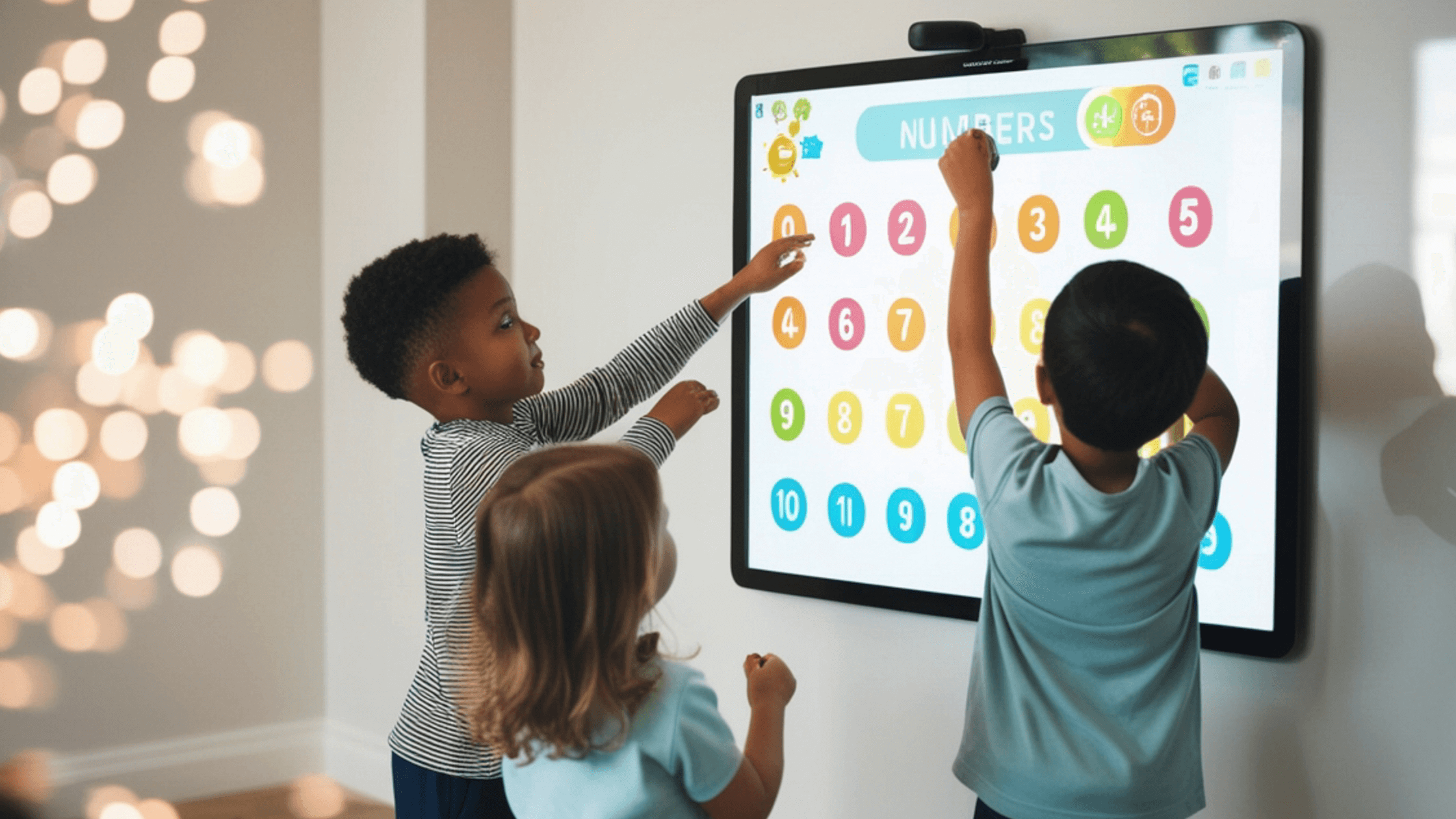
Parlini Land complements books, conversations, and routines by reinforcing traditional learning concepts— like colours, numbers, animals, and letters — through low-stimulating games in 10+ languages, making it easier to introduce a third language naturally.
When raising a child who speaks three languages, simplicity matters. Children benefit when each language has its own space and purpose.
Some best practices for teaching multiple languages to kids include:
Keep language practice consistent
Allow moments of silence or introspection while they are still learning the first ABC’s
Celebrate progress in all languages equally
This helps children see multilingualism as a strength, not a challenge.
Educational tools like Parlini Land make raising multilingual kids easier by turning language learning into playful, low-stimulating moments.
By combining short app sessions with everyday reading and conversations, children can explore a third language naturally while reinforcing the languages they already know.
How can I help my bilingual child start learning a third language?
Keep it playful! Use songs, short stories, and everyday activities like naming colours or counting to introduce the new language naturally.
Will learning a third language confuse my child?
Not at all. Kids are great at switching between languages, especially when each language has its own consistent time and space.
When is the best time to introduce a third language?
Early is best — toddlers and preschoolers soak up new sounds and words quickly, making language learning easier and more fun.