- by families worldwide
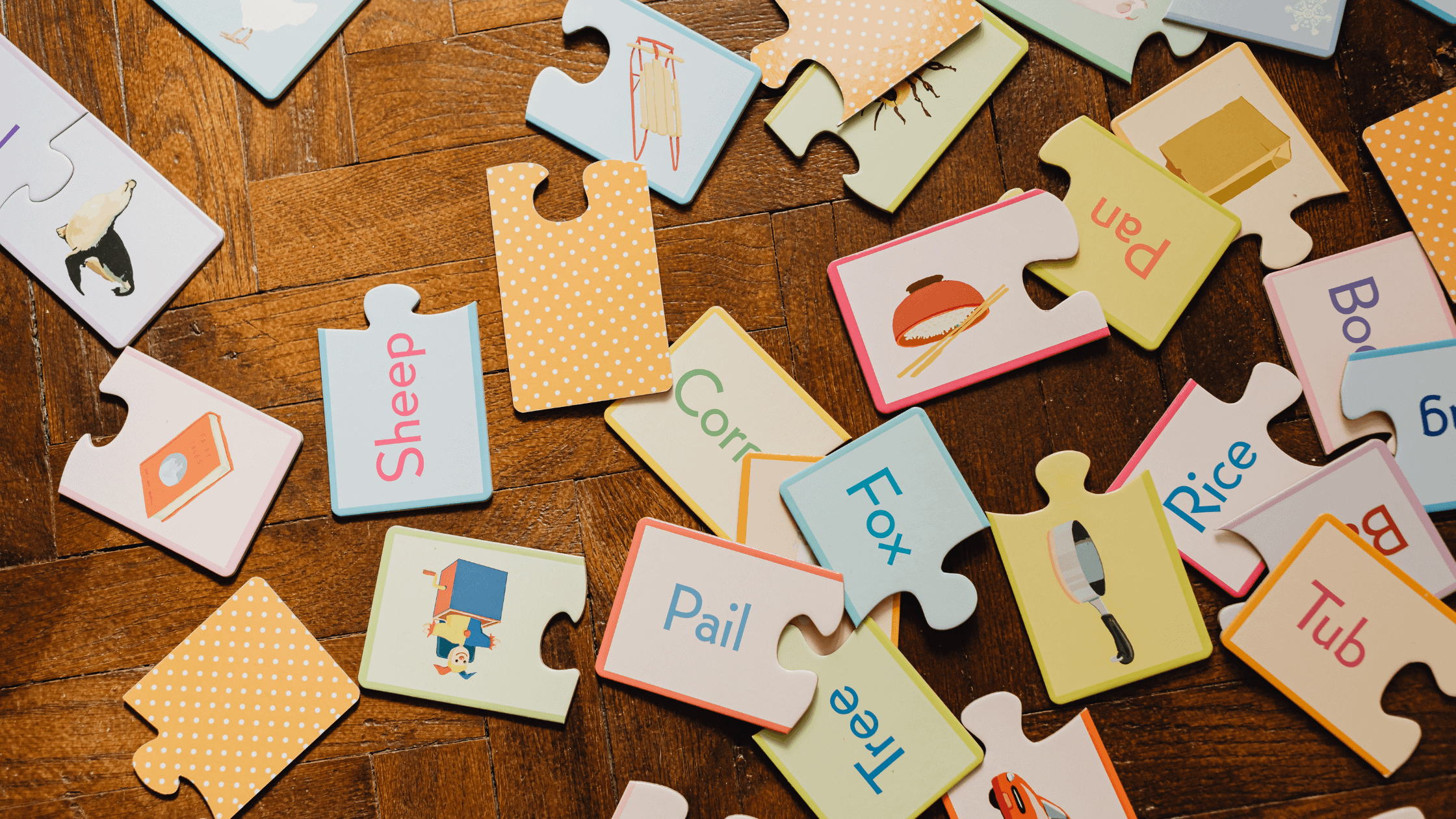
Many parents wonder whether there’s “too much” when it comes to language learning. Is two languages the limit? Can toddlers really handle three or more? And what actually helps children reach fluency without pressure?
The good news: children are far more capable than we often think, especially in early childhood.
Children’s brains are uniquely wired for language learning, particularly during early childhood (ages 0–6). At this stage, kids don’t “study” languages; they absorb them naturally through interaction, play, and repetition.
Research shows that:
Toddlers can learn 2, 3, or more languages at the same time
Learning multiple languages does not confuse children
Bilingual and multilingual kids follow the same language milestones as monolingual children
Temporary mixing of languages is normal and healthy
This process is known as simultaneous bilingualism or multilingualism, where a child is exposed to more than one language from an early age. Over time, children learn to separate each language naturally.
The key factor isn’t the number of languages, it’s exposure and consistency.
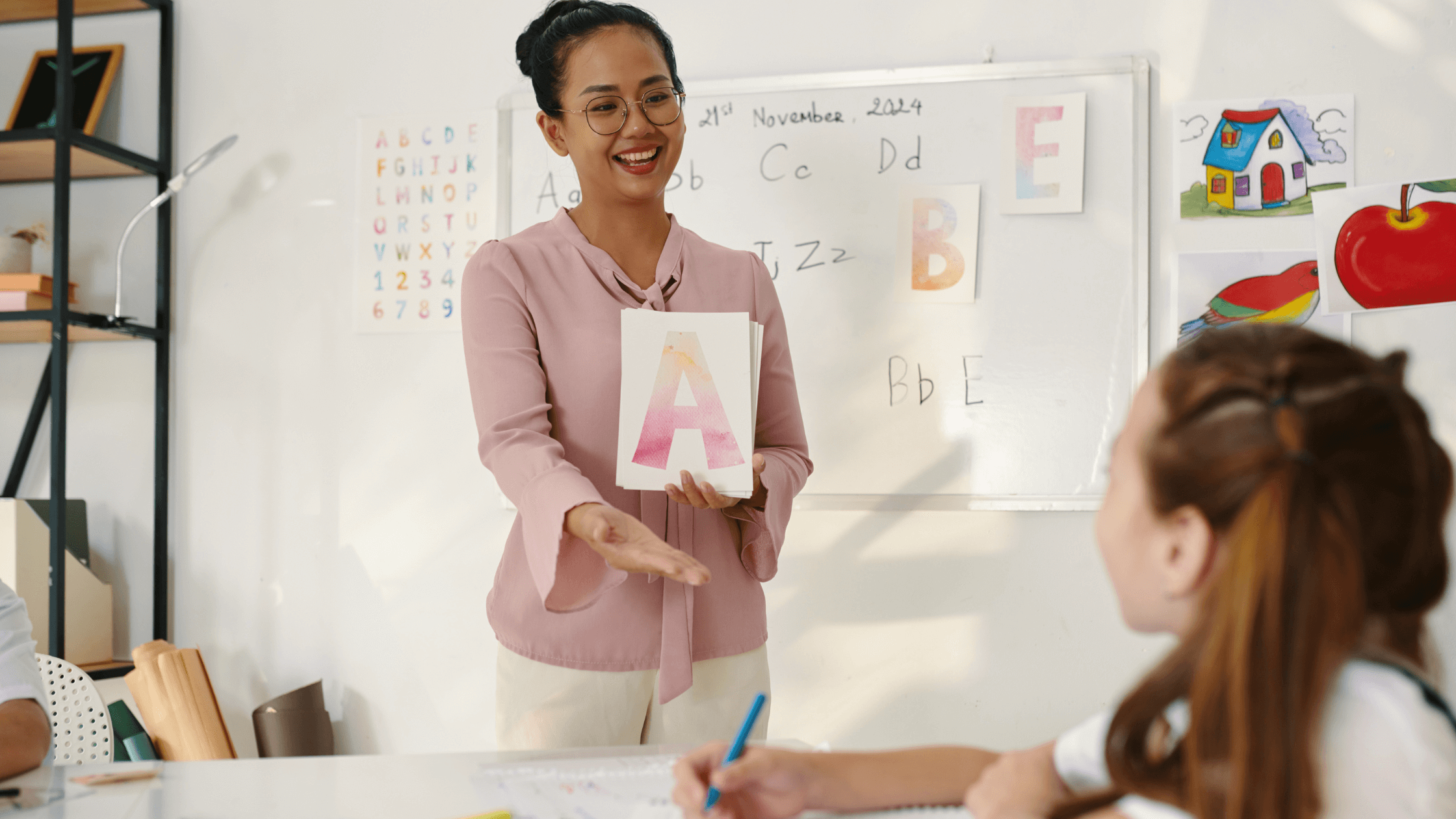
Every child is different, but several factors influence how fast and confidently children develop fluency.
Key factors affecting language learning in children:
Age: Early childhood is ideal for natural language acquisition
Exposure: How often a child hears and uses each language
Context: Languages used in meaningful, everyday situations stick best
Emotional connection: Languages tied to family, play, or culture are easier to retain
Consistency: Regular input matters more than perfection
A common question parents ask is: How much exposure do kids need to learn multiple languages?
There’s no fixed number of hours, but regular, repeated exposure — even in short daily moments — makes a big difference.
This is where tools like Parlini Land can support bilingual and multilingual families. The app offers low-stimulating, play-based language games designed for children aged 2–6, making language learning feel like play rather than “screen time guilt”.
Kids can easily switch between 10+ languages, helping bilingual and multilingual children strengthen both their heritage language and any additional languages they’re learning.
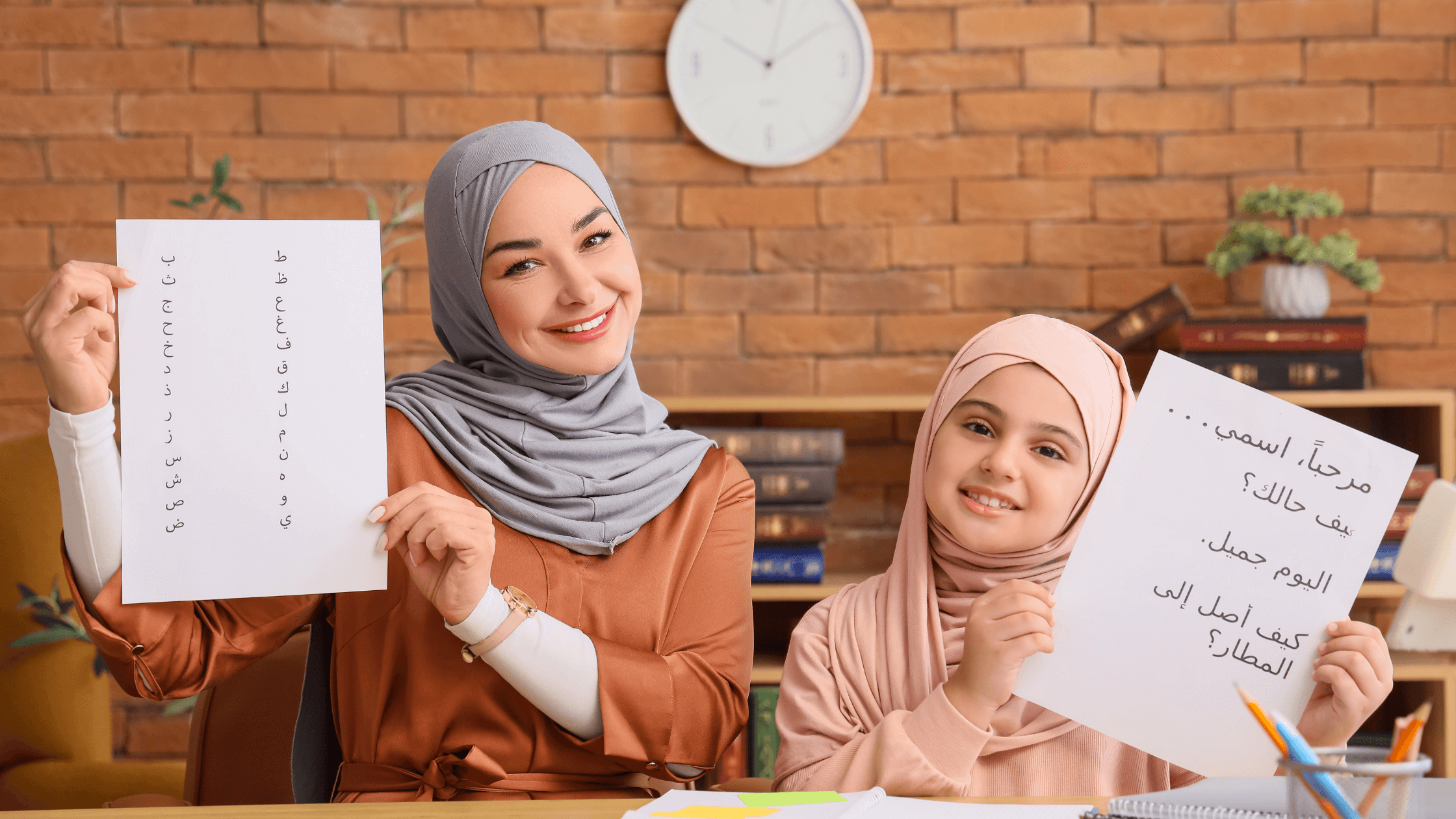
Raising multilingual children doesn’t require perfection or rigid rules. It’s about building habits that fit your family.
Here are some tips you can apply as parents:
Speak your native or heritage language at home with confidence
Create simple routines (songs, stories, playtime) in each language
Focus on communication, not correcting every mistake
Set realistic fluency goals — understanding comes before speaking
Use educational tools that encourage repetition and curiosity, like Parlini Land!
Maintaining heritage or minority languages is especially important for identity, family bonds, and cultural connection.
Language learning also supports cognitive development, improving problem-solving skills, attention, and flexibility — benefits that stay with children well beyond early childhood.
At what age can a child learn multiple languages?
From birth through early childhood (0–6 years), children are especially receptive to learning multiple languages naturally.
Can toddlers learn 2 or 3 languages without confusion?
Yes. Language mixing is normal at first and does not mean confusion. Children naturally learn to separate languages over time.
How much exposure do kids need to learn multiple languages?
Regular exposure in everyday contexts matters more than the number of hours. Short, consistent daily interactions are highly effective.