- by families worldwide
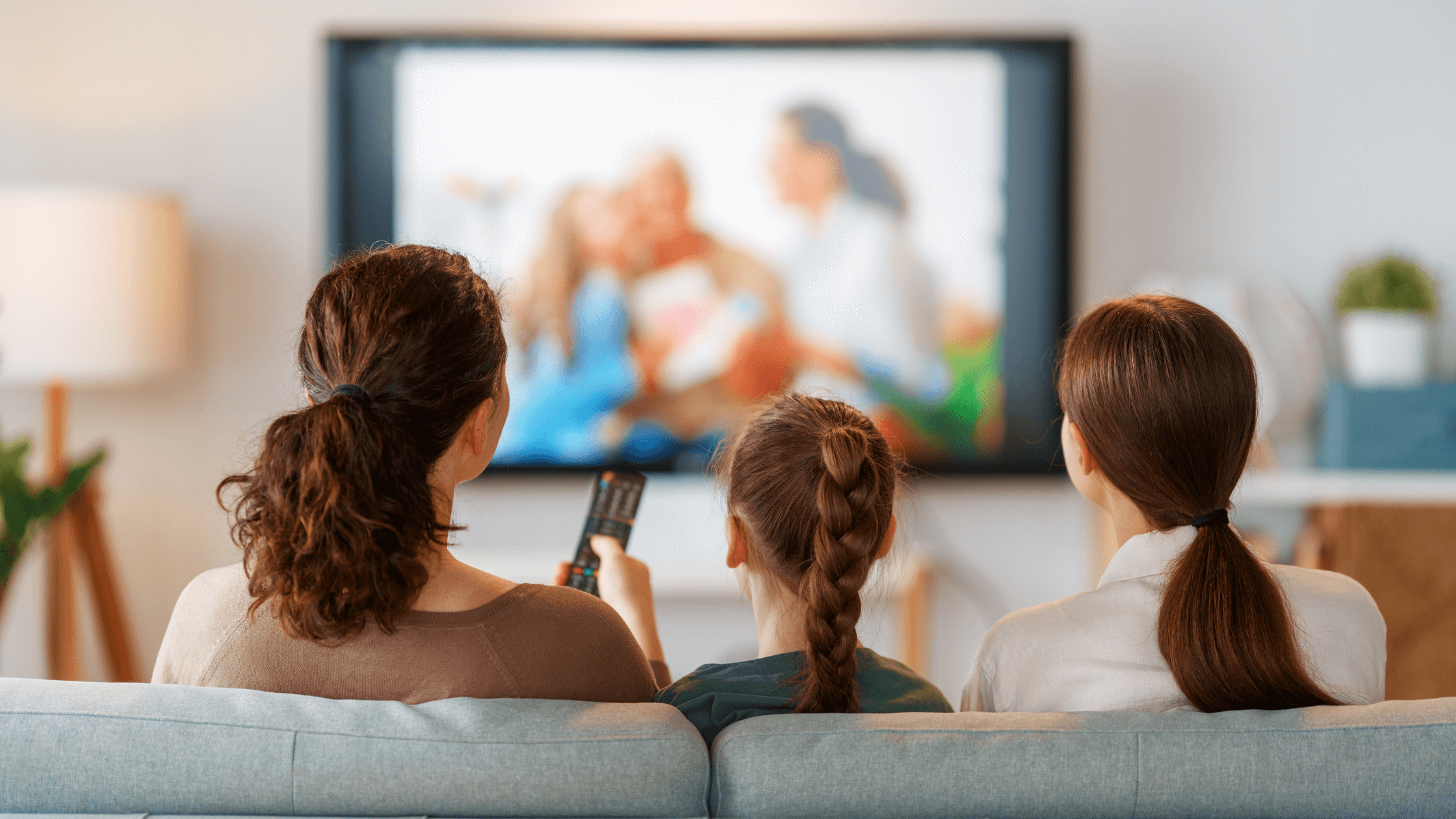
Not all screen time is created equal — and parents know it. When it comes to toddlers and young children, calm, slow-paced educational TV can support language learning, speech development, and emotional regulation without overwhelming them.
Low-stimulating shows use gentle visuals, slower speech, repetition, and simple storytelling. They’re especially helpful during early childhood, when attention spans are short and developing brains need space to process language naturally.
For toddlers, overstimulation can actually get in the way of learning. Calm, intentional programming supports child development by:
Encouraging listening and understanding, not passive watching
Supporting early speech development through repetition and clear pronunciation
Helping toddlers focus without sensory overload
Making screen time feel predictable and safe
These benefits are especially important for bilingual or multilingual children, who are processing more than one language at once.
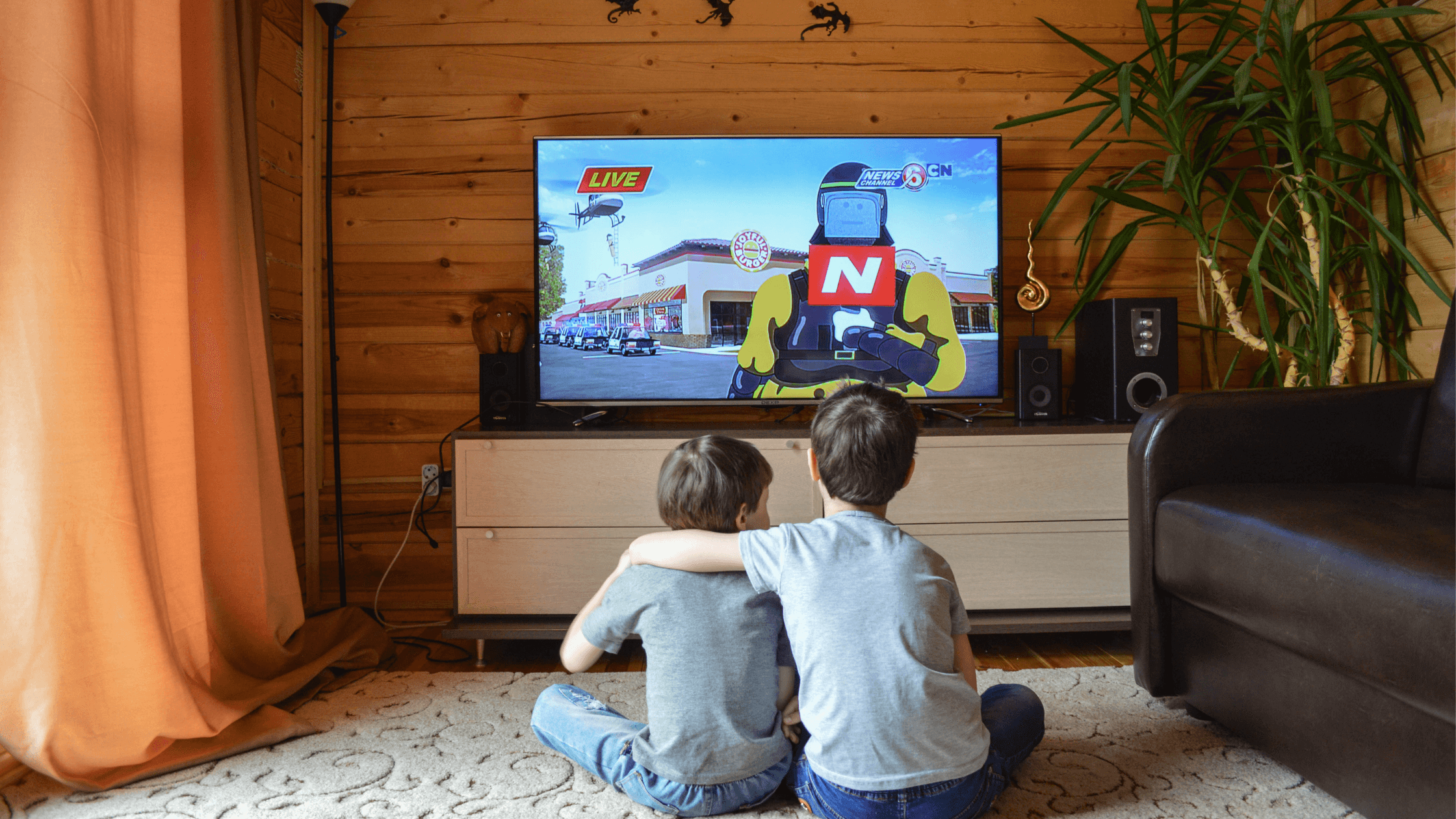
Here are some toddler-friendly shows known for their gentle pace and strong language value:
Bluey – Simple conversations, emotional storytelling, and everyday language children can relate to
Sarah & Duck – Slow-paced, thoughtful dialogue with clear speech
Puffin Rock – Soft narration and minimal background noise, ideal for preschoolers
Twirlywoos – Focuses on action-based language and repetition
These shows work best when watched in short sessions and paired with conversation afterward.
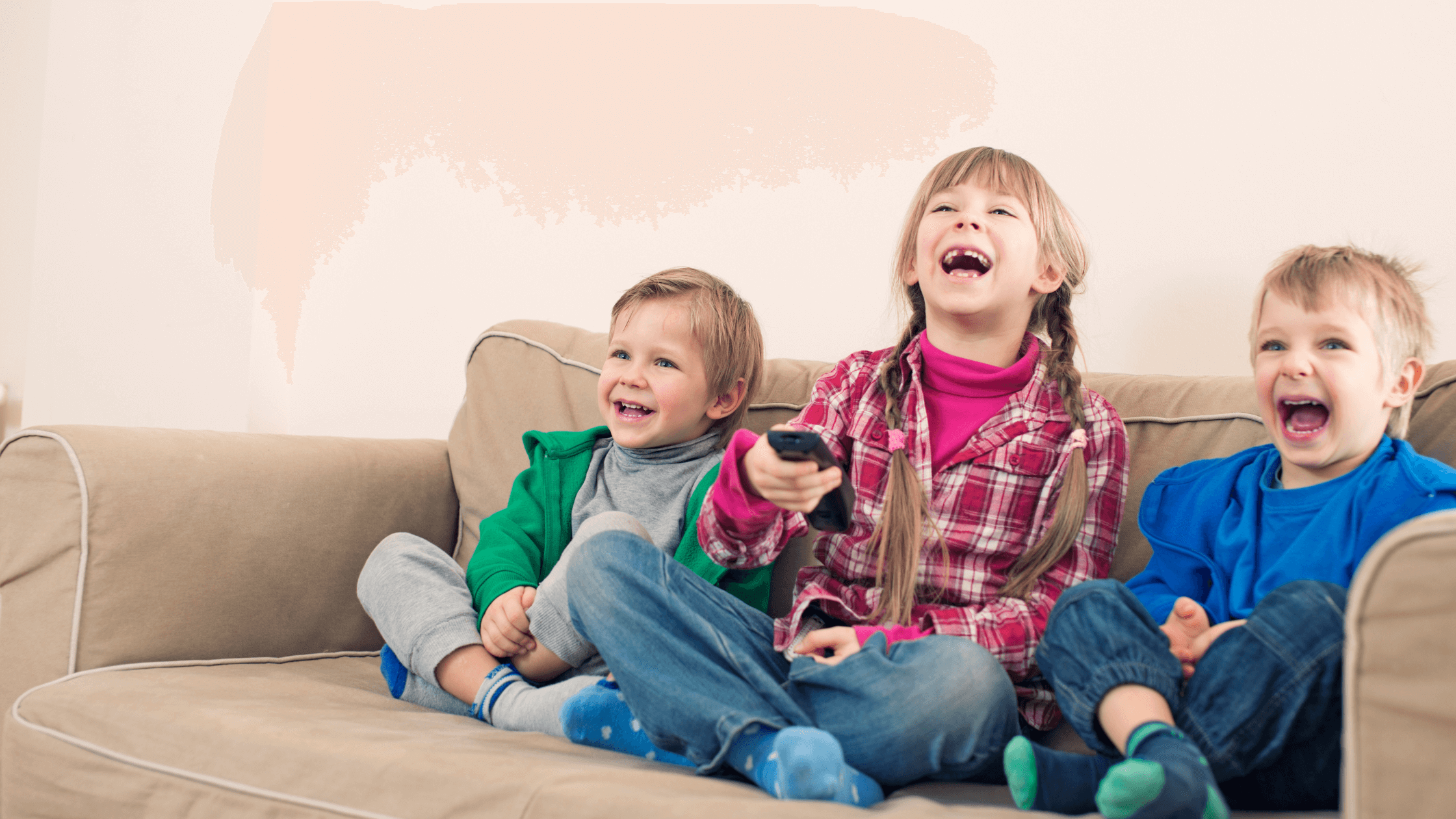
For families raising bilingual or multilingual toddlers, low-stimulating shows can be a helpful exposure tool — especially when the language spoken on screen matches the one used at home.
Parents can support learning by:
Watching together and repeating key words
Asking simple questions about what happened
Mixing screen time with books, songs, and play
This keeps language learning active, not passive.
At Parlini Land, we believe screen time should feel calm, intentional, and supportive — just like the best low-stimulating TV shows. That’s why our app is designed for kids ages 2–6 with short, low-stimulating language games that encourage interaction, not overstimulation.
Used alongside calm TV, reading time, and fun repetitions, Parlini Land helps toddlers explore language learning in a way that naturally fits into everyday life — especially for multilingual families.
Can low-stimulation shows help with speech development?
Yes. They support listening, repetition, and early vocabulary without overwhelming toddlers.
Are these shows suitable for bilingual or multilingual children?
Absolutely. Gentle pacing helps children process multiple languages more easily.
How much screen time is appropriate for toddlers?
Short, intentional sessions paired with interaction and play work best.