
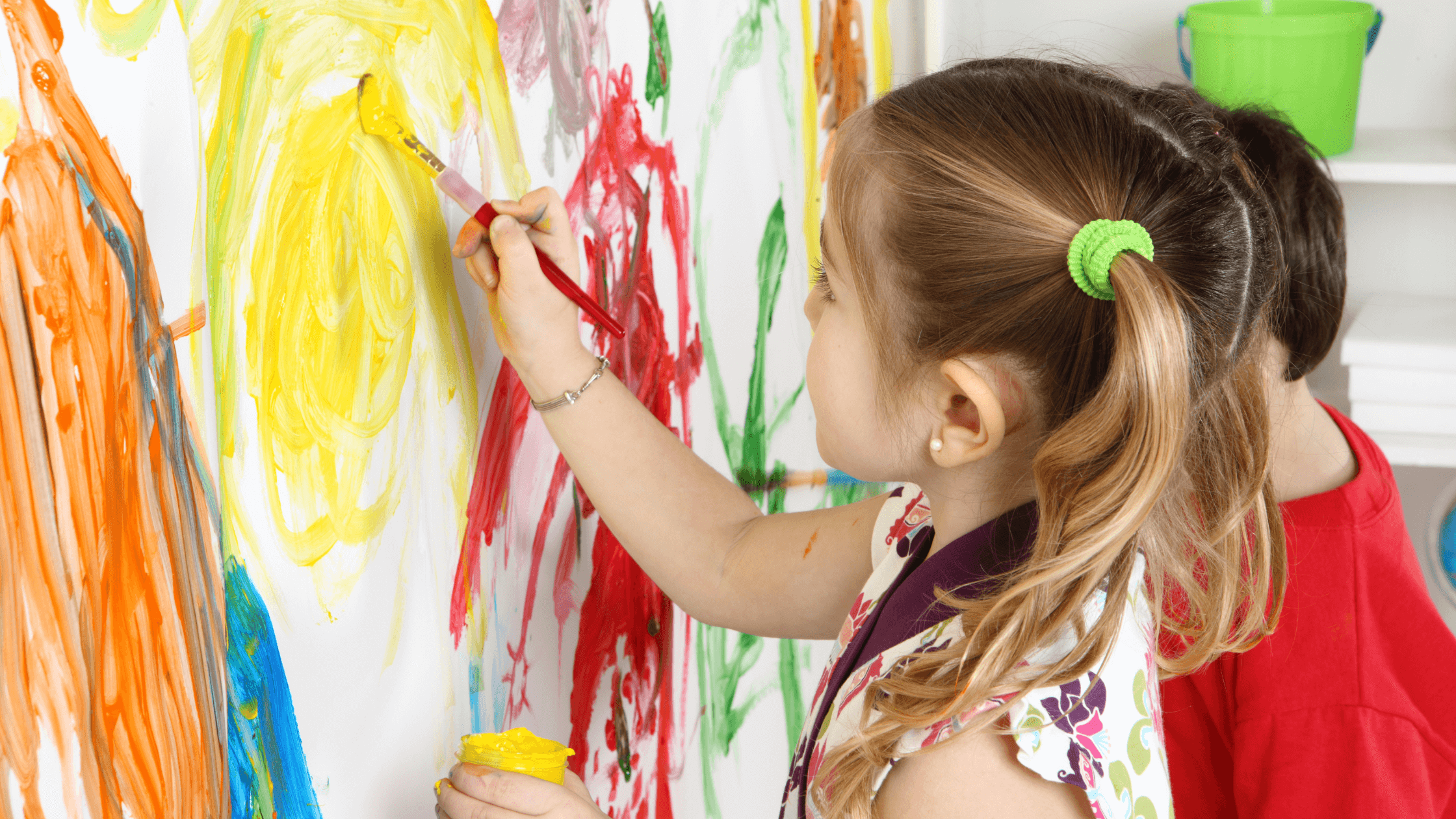
Learning colours is one of the easiest and most joyful ways to start teaching a new language. Colours are part of everyday life — clothes, toys, food, books — which makes them a perfect entry point for helping children learn Arabic words naturally, without pressure.
With playful games, short activities, and calm screen time, children can begin to recognise and use Arabic colours in a way that feels fun and familiar.
Colours help young children:
Connect words to things they see every day
Build early vocabulary without memorising
Feel confident using a new language through play
Learn naturally, even if parents don’t speak Arabic fluently
Because colours repeat so often in daily life, children hear and use them again and again — which is exactly how language sticks.
Puzzle-style games are especially effective for toddlers and preschoolers. When children match colours while hearing the Arabic word spoken clearly, learning happens without effort.
On Parlini Land, the colour puzzle game helps children:
Match colours visually
Hear Arabic colour names spoken slowly and clearly
Learn through trial and play, not instructions
This type of game works well for children ages 2–6, even if Arabic is new at home.
Sorting games add an extra layer of learning. Children don’t just learn colours — they also connect them to objects.
With colour-based sorting games, children can:
Learn object names at the same time
Strengthen focus and problem-solving skills
Parlini Land’s sorting-style games support language learning while keeping the pace calm and toddler-friendly.
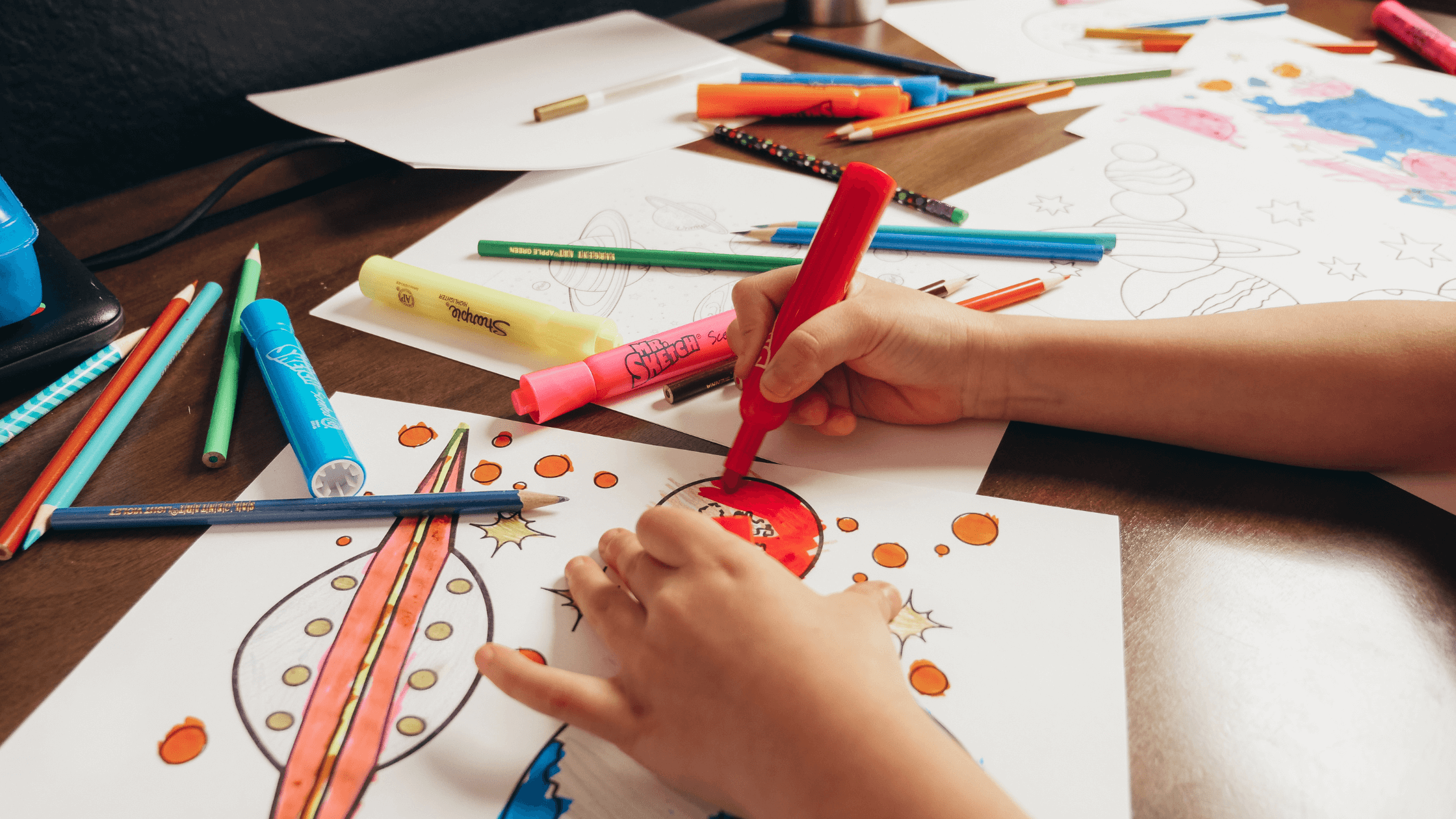
Educational games can be a helpful tool for parents who want to introduce Arabic gently and consistently. Parlini Land is designed for low-stimulation, play-based learning, making it easier for children to stay engaged without feeling overwhelmed.
Through games focused on colours, puzzles, and sorting, children:
Learn through repetition and play
Build confidence with new words at their own pace
Teaching colours in Arabic doesn’t need to feel complicated. With the right games and simple daily activities, children can begin building vocabulary naturally and happily.
By combining play at home with educational games like those on Parlini Land, parents can support their child’s Arabic learning journey — one colour, one game, and one moment at a time.
What is the best way to teach colours in Arabic to young children?
The best way is through play. Games, puzzles, and simple daily activities help children learn Arabic colours naturally and without pressure.
At what age can children start learning Arabic colours?
Children can start learning Arabic colours as early as age 2 through visual games, songs, and simple matching activities.
Do I need to speak Arabic to teach my child Arabic colours?
No. Educational games like those on Parlini Land provide clear pronunciation, allowing children to learn even if parents don’t speak Arabic.