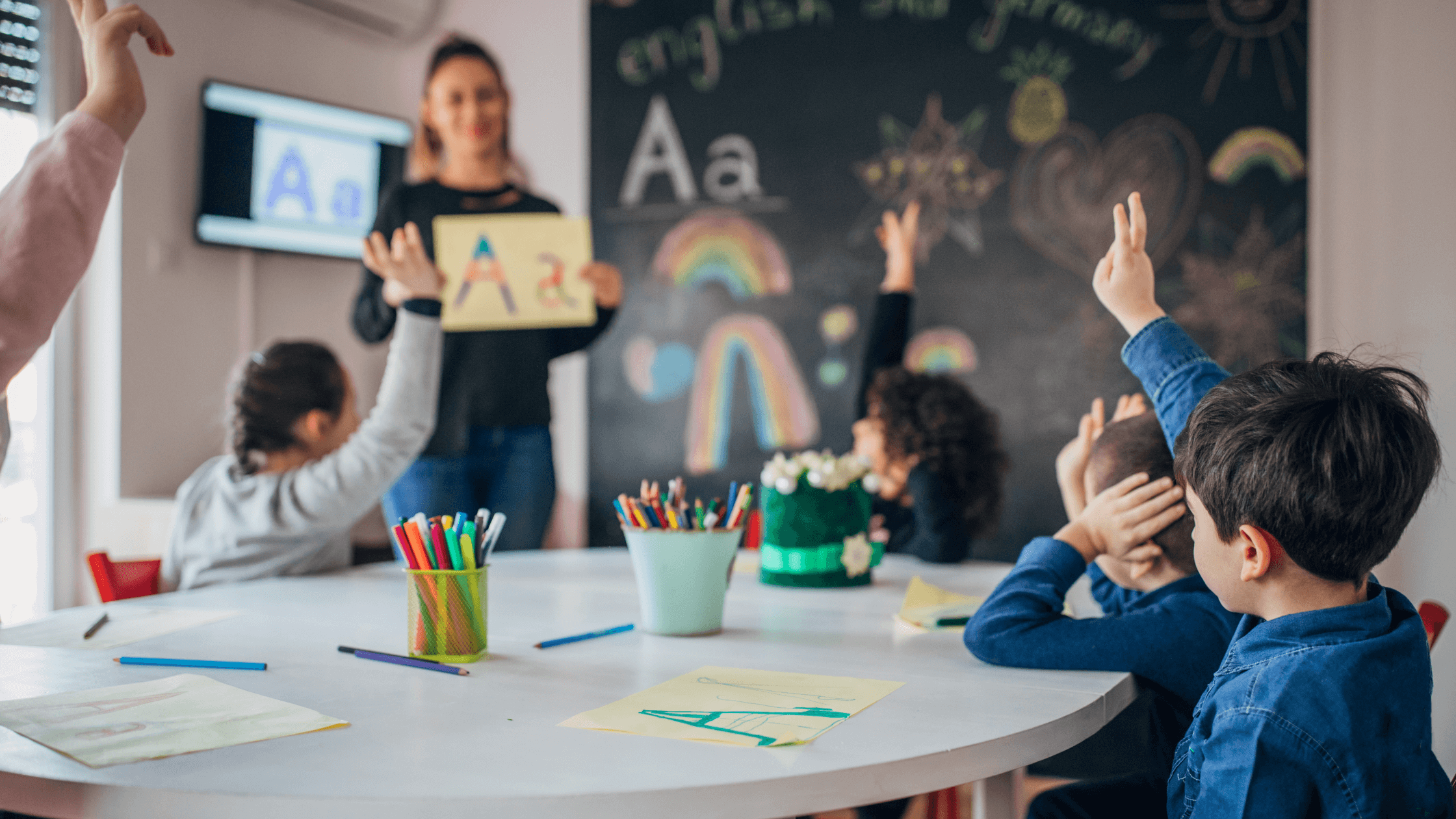
For preschoolers, learning letters shouldn’t feel like a lesson. At ages 3–4, children learn best through play, repetition, and gentle encouragement. Playful letter-recognition games help build early literacy skills while keeping learning fun, relaxed, and age-appropriate.
Letter recognition is one of the first building blocks of reading. Before children learn to read words, they need to feel familiar with letters—what they look like, how they sound, and how often they appear in everyday life. In preschool, this happens naturally when letters are part of play, stories, songs, and games rather than formal teaching.
When children recognize letters early, they feel more confident as they move toward reading and writing later on.
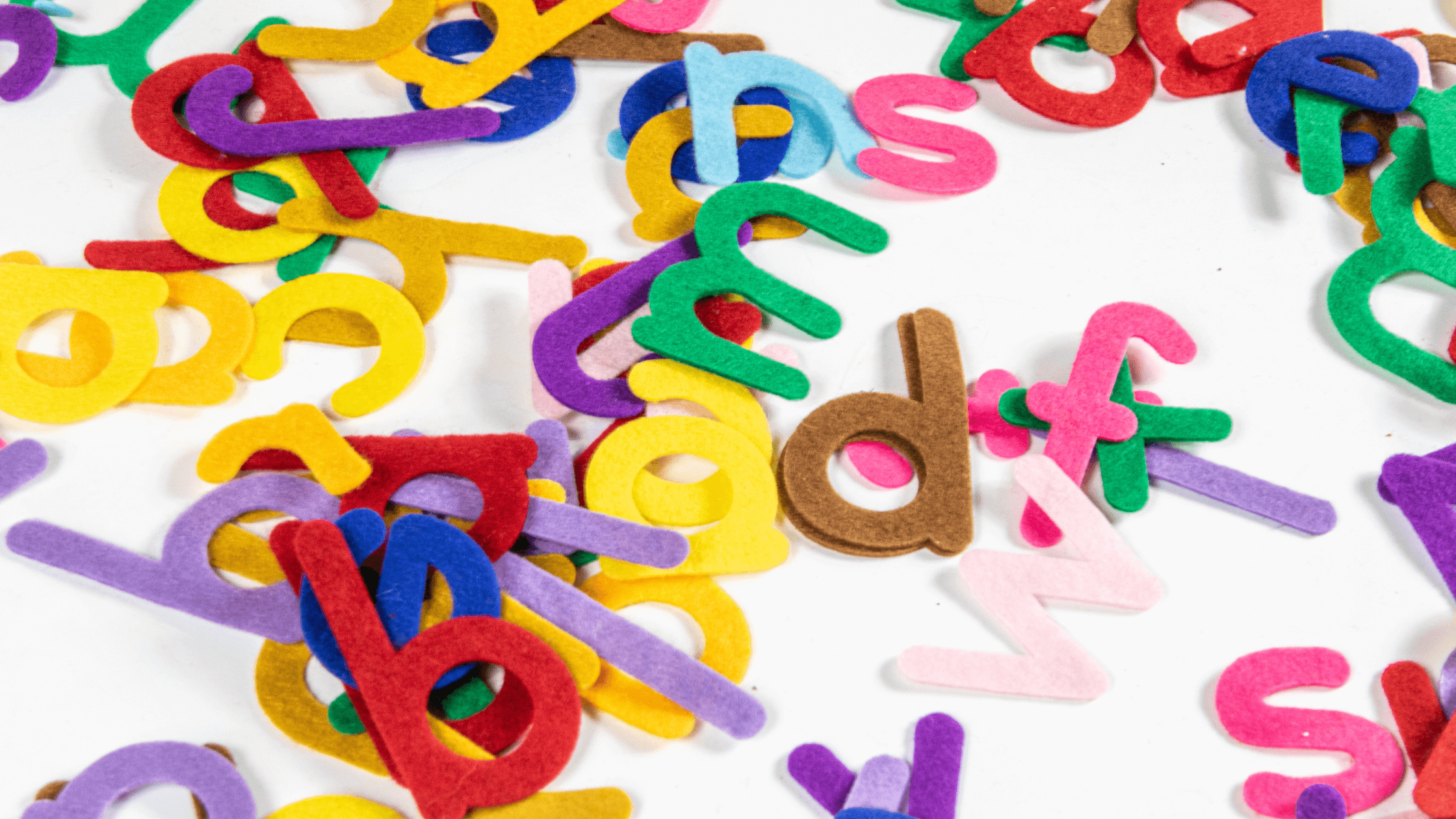
The best letter-recognition games use a mix of visual, audio, and hands-on interaction. Seeing letters, hearing their sounds, and touching or tracing them helps preschoolers remember them more easily. Games that repeat letters gently, without pressure or time limits, allow children to learn at their own pace.
Playful learning also supports focus and emotional comfort, especially for young children who may feel overwhelmed by fast or noisy content.
Parents don’t need complicated setups to support early literacy. Everyday moments can become learning opportunities—spotting letters on signs, reading picture books, or singing alphabet songs together.
Digital games can also help when they are calm and thoughtfully designed. On Parlini Land, letter recognition is supported through:
Words Game, where children see and hear letters in familiar words
Spelling Game, which gently introduces letter sounds and word building
Alphabet Tracing Game, helping children recognize letter shapes while strengthening fine motor skills
These games are designed specifically for preschoolers, with slow pacing, simple visuals, and repetition that feels natural rather than forced.
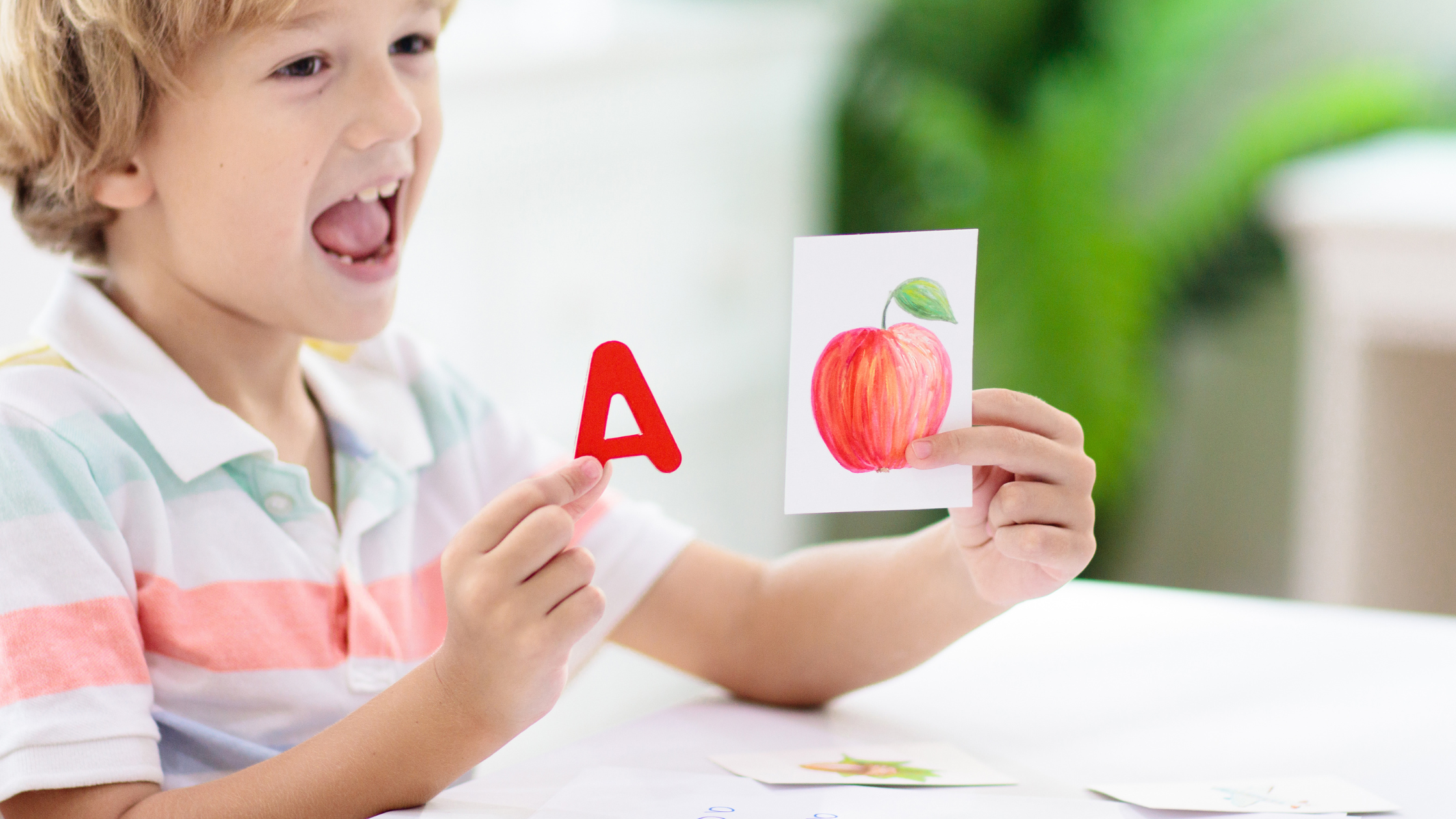
Preschoolers learn best in short bursts. Just a few minutes a day of letter-focused play can make a big difference over time. The goal is not to master the alphabet quickly, but to build comfort and curiosity around letters.
Combining screen-based games with off-screen activities—like reading together or pointing out letters in daily routines—helps children connect learning across different environments.
What are the best letter-recognition games for preschoolers?
Games that combine visuals, sounds, and repetition help preschoolers recognize letters naturally.
How can parents support letter recognition at home?
Through simple games, reading together, and calm learning apps designed for young children.
Are alphabet tracing games good for preschoolers?
Yes, tracing helps children recognize letter shapes while building fine motor skills.