- by families worldwide

The best time to introduce a second language is earlier than most parents think: before age 5, and ideally from birth. Research from the University of Washington suggests the years from 0 to 3 are when language comes most easily. Young children don’t study a language. They soak it up, through voices, songs and play. And the benefits reach far beyond the words themselves.
Early language exposure gives children far more than vocabulary. Here are the four benefits parents notice most.
A closer bond with family and heritage. A second language can open a door to grandparents, cousins and family history. Picture a grandmother who speaks German and very little English. A child who hears German from the start can talk with her directly, no translator needed. That connection is hard to put a price on.
A brain that’s ready to learn. Young brains are built to pick up language, which is why the early years are the best age to learn a second language. Studies link learning two languages with stronger problem-solving, memory and focus. Some research also suggests dual language learners do well in reading and maths.
Empathy and social skills. Language and culture go hand in hand. Hearing another language introduces new songs, traditions and ways of seeing the world. That helps children grow curious and understanding of others.
A head start for the future. In a connected world, speaking more than one language is a real advantage. Starting early makes it feel natural, not like homework.
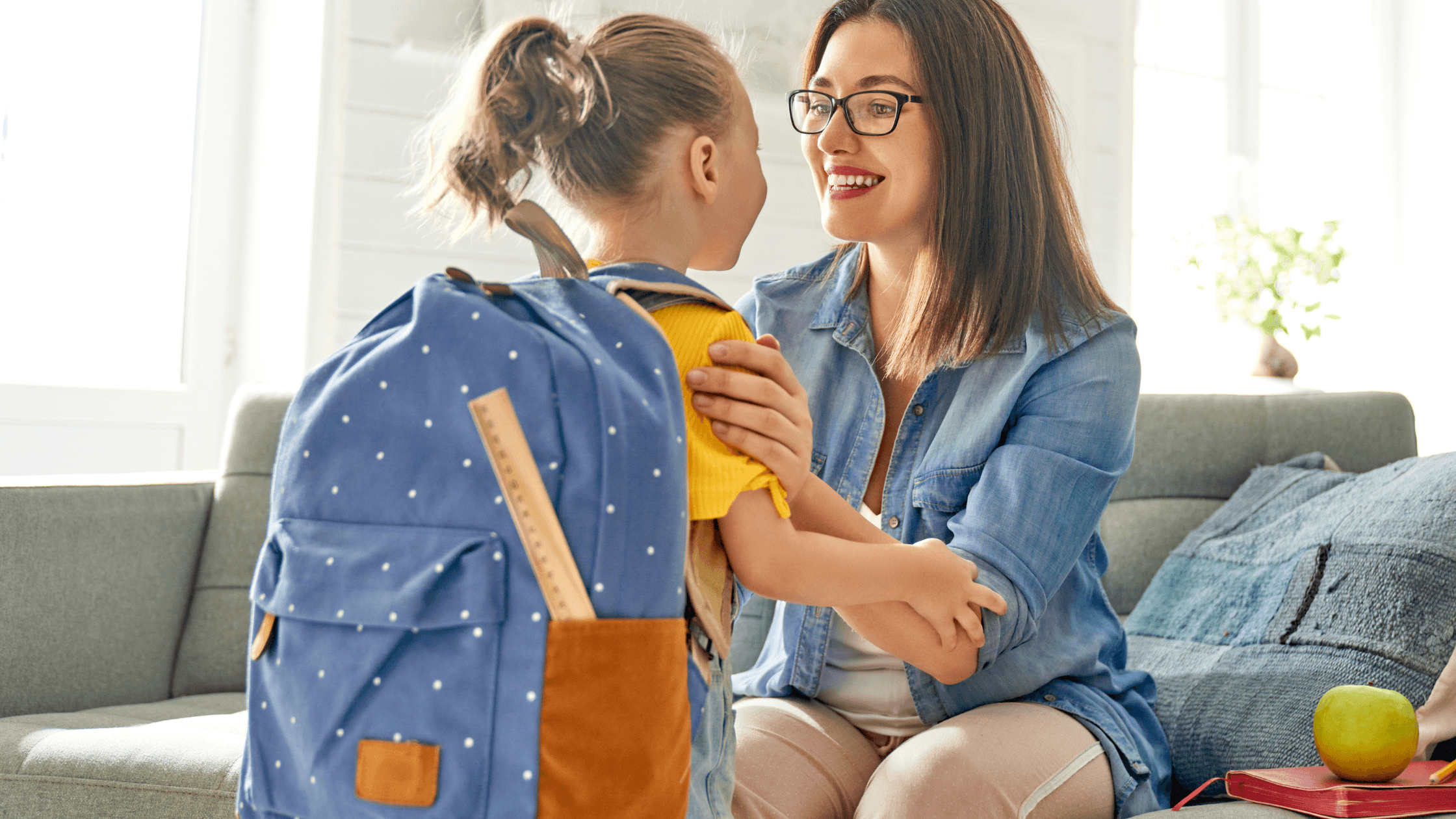
Good early exposure is short, warm and repeated often. What it looks like changes as your child grows. Every child moves at their own pace, so treat this as a set of ideas, not a checklist.
Age | What works best | Ideas to try |
|---|---|---|
0–12 months | Hearing real voices, close up | Sing lullabies, narrate nappy changes and bath time, play gentle music in the language |
1–2 years | Repetition and routine | Name foods at mealtimes, read the same picture book again and again, video-call a relative who speaks it |
2–3 years | Songs, rhymes and simple games | Action songs, counting stairs out loud, naming colours on a walk |
3–5 years | Play with a purpose | Matching and sorting games, colouring while naming animals, short sessions in a calm language app |
You don’t need to be fluent to do any of this. A few minutes a day, every day, counts for more than one long session a week.

Parlini Land was built on a simple idea: young children learn language by being surrounded by it, not by being taught it. So the app is games, not lessons.
Made for ages 3–8, Parlini Land lets your child play in one of 11 languages, including Spanish, German, Greek, Irish, Hindi, Arabic and Polish. Every prompt and voiceover is in the language you choose, so there’s no English to fall back on. Your child taps the right animal in This or That, colours in a picture while hearing its name, or flips through jungle and farm flashcards.
A few things make it different:
For babies and toddlers under 3, songs, stories and people are the best teachers. From age 3, Parlini Land can be the small daily habit that keeps the language going.
What is the best age to start learning a second language?
The best age to start is as early as possible, ideally before age 3. Research suggests babies and toddlers pick up new sounds and words more easily than older children. But it’s never too late, and ages 3–5 are still a wonderful time to begin.
Will learning two languages confuse my toddler?
No, children are naturally able to learn more than one language at once. It’s normal for bilingual toddlers to mix words from both languages, and this usually settles with time. If you have any concerns about your child’s speech, talk to your health visitor or a speech and language professional.
Do I need to speak the language myself?
No, you don’t need to be fluent to give your child a second language. Songs, books, relatives and apps with real native voices can all provide exposure. Apps like Parlini Land deliver every prompt in the chosen language, so your child hears it spoken properly.