- by families worldwide
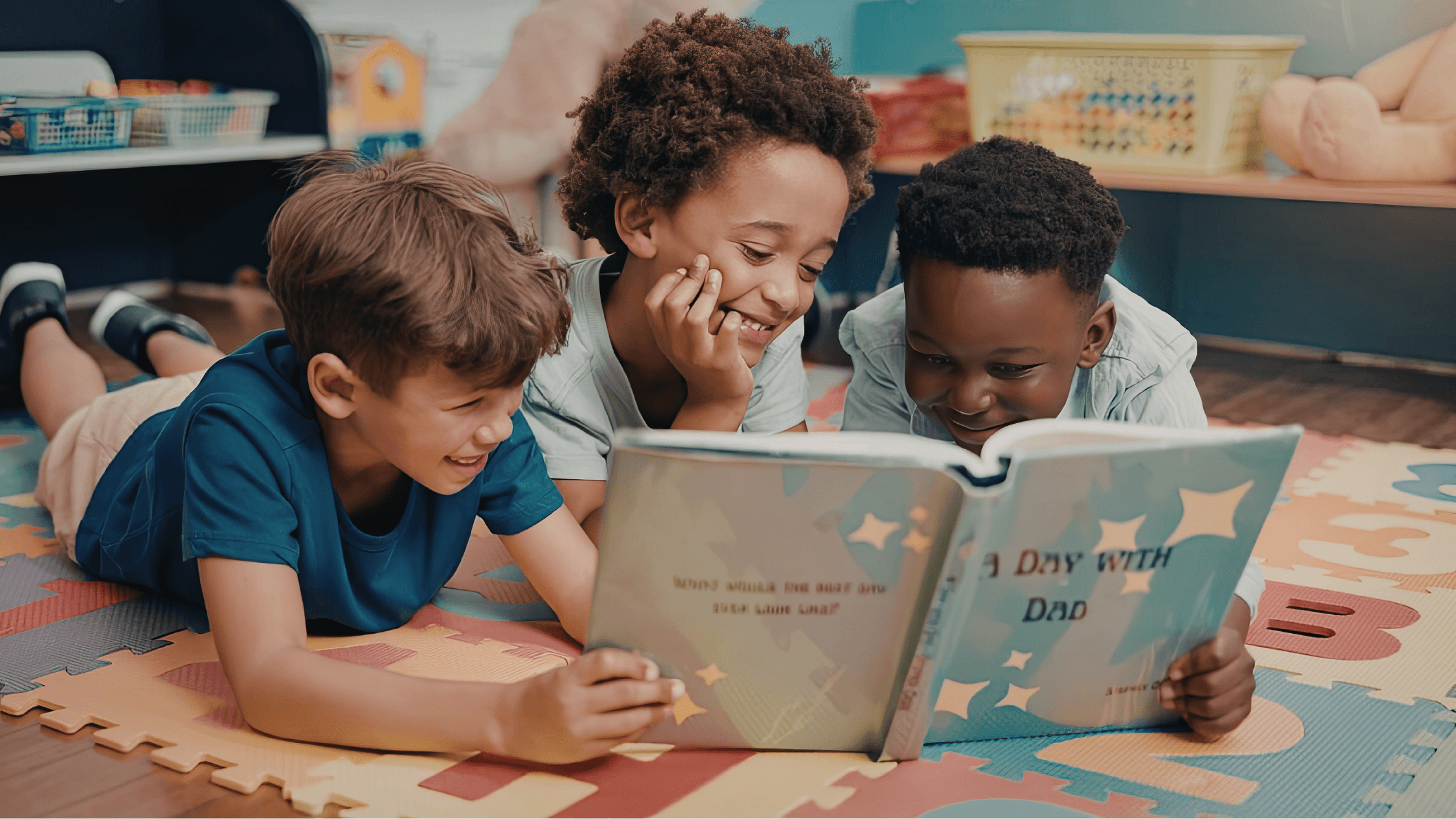
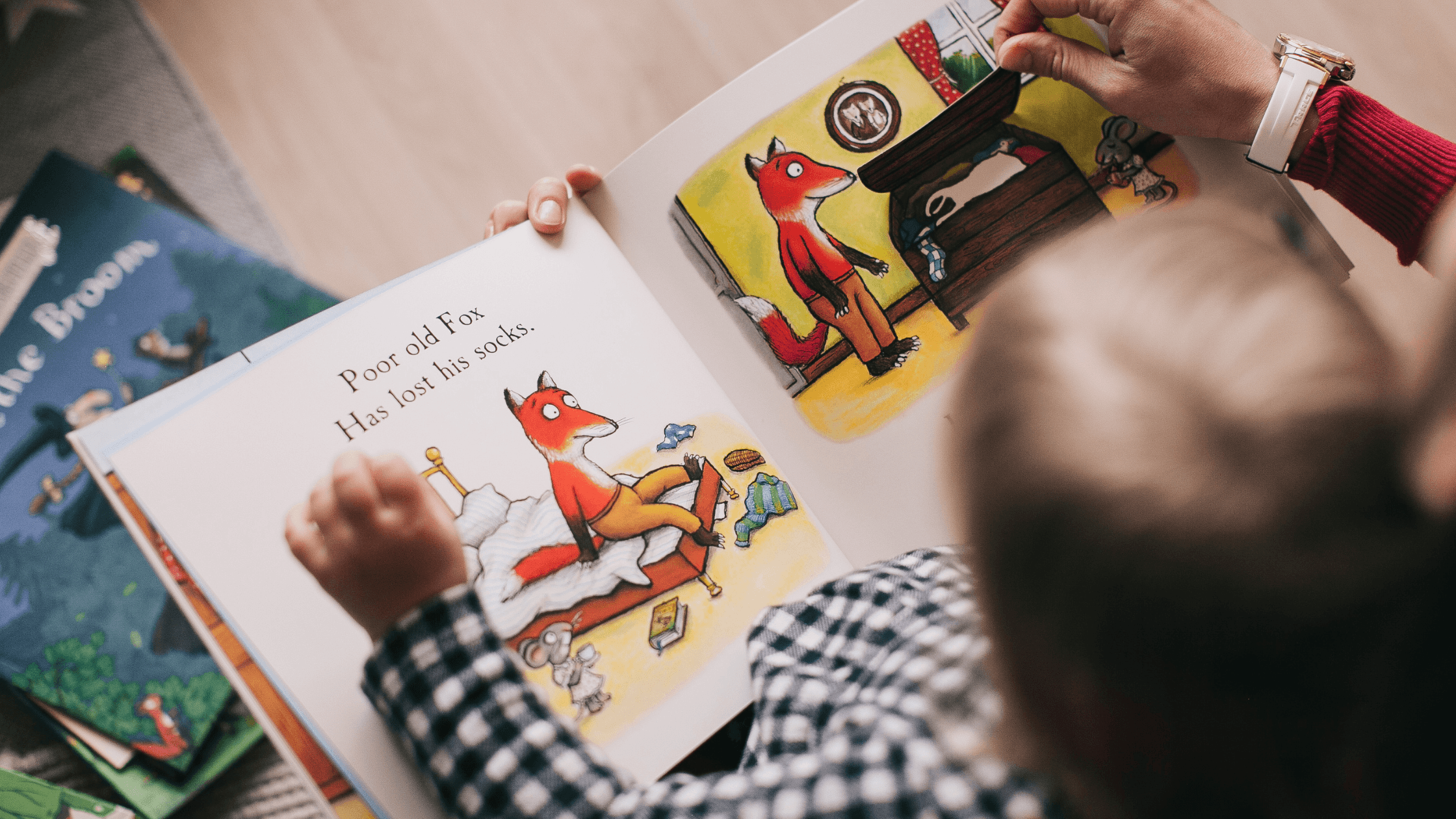
Reading readiness in toddlers doesn’t look like decoding words — it looks like curiosity. Between ages 2 and 4, most toddlers start pointing at pictures, asking for the same story again, and noticing letters in the world around them. It’s a gradual process that unfolds at its own pace, not a single milestone to hit on a schedule.
It’s easy to feel anxious comparing your toddler to a cousin, a classmate, or a milestone chart online. But reading readiness isn’t a race, and it doesn’t look the same in every child — especially in bilingual or multilingual homes, where language development can unfold on a slightly different timeline across each language. What matters isn’t hitting a specific age, but building a relaxed, positive relationship with books, sounds, and letters early on. That foundation matters more than early decoding ever will.
Reading readiness builds gradually. Here’s roughly what to expect, though every child moves at their own pace:
Across all ages, the clearest sign of readiness isn’t letter recognition — it’s enjoyment. A toddler who loves books, songs, and rhymes is building the exact skills that lead to reading later on.
Parents looking to gently support reading readiness often find that structured but playful games work better than formal lessons at this age. Parlini Land includes several games built around early literacy foundations: Trace the Numbers helps children build the fine motor control needed for later letter writing, Spelling Games introduce letter-sound patterns through play, and Matching and Flashcard games build vocabulary and print awareness — all with real human voices, never AI-generated speech, and all teacher approved. The design is calm and low-stimulation, built for children aged 3 to 6, so early literacy skills develop through everyday play rather than pressure. Every game runs in your child’s chosen language, so reading-readiness skills grow naturally alongside the language you’re raising them in.
If you’re looking for a gentle way to build reading readiness alongside your child’s language learning, Parlini Land is worth trying — with real voices, calm design, and activities built for ages 3 to 6. Start a free trial here!
What are the signs of reading readiness in toddlers? Common signs include enjoying being read to, pointing at and naming pictures, noticing letters or signs in the environment, and enjoying rhymes and repetition. These usually appear gradually between ages 2 and 4.
At what age are toddlers ready to start reading? Most children show signs of reading readiness between 2 and 4, but actual reading typically develops between 5 and 7. Readiness is about building interest and pre-literacy skills, not reading fluently early.
How can I help my toddler get ready to read? Read together daily, point out letters and words in everyday life, sing rhyming songs, and let your toddler “pretend read” by narrating stories from pictures. Consistency matters more than formal lessons at this age.